

Mediterranean Veggie Omelet With Olive Oil Recipe
Introduction
A Mediterranean Veggie Omelet is a vibrant, protein-packed breakfast that brings the sunny flavors of the coast to your table. This recipe, perfected through repeated testing, delivers a fluffy, savory result in under 15 minutes. The combination of juicy tomatoes, fresh spinach, and tangy feta creates a satisfying meal that feels both indulgent and nourishing.
Ingredients
Quality ingredients are key for authentic flavor. Use fresh, crisp vegetables and a good extra virgin olive oil for the best results. This simple list comes together to create a surprisingly complex taste profile.
- 3 large eggs
- 1 tablespoon extra virgin olive oil
- 1/4 cup cherry tomatoes, halved
- 1/4 cup spinach, chopped
- 2 tablespoons red onion, finely diced
- 2 tablespoons feta cheese, crumbled
- 1/4 teaspoon sea salt
- 1/8 teaspoon black pepper
- 1/4 teaspoon dried oregano
Timing
| Prep Time | 8 minutes |
| Cook Time | 6 minutes |
| Total Time | 14 minutes |
Context: The efficient timeline makes it a perfect solution for a healthy, gourmet-feeling breakfast on even the busiest weekday mornings.
Step-by-Step Instructions
Step 1 - Prepare Your Ingredients
Chop the spinach, halve the cherry tomatoes, and finely dice the red onion. Crumble the feta cheese if it isn’t pre-crumbled. Having everything measured and ready (a technique called mise en place) is crucial for a smooth cooking process, as omelets cook very quickly.
Step 2 - Whisk the Eggs
In a medium bowl, whisk the 3 large eggs with the sea salt, black pepper, and dried oregano until the mixture is completely uniform and slightly frothy. Thorough whisking incorporates air, which contributes to a fluffier final texture. (Pro tip: Whisk for a full 60 seconds for optimal results).
Step 3 - Sauté the Aromatics
Heat the extra virgin olive oil in an 8-inch non-stick skillet over medium heat. Add the diced red onion and sauté for about 2 minutes until it becomes translucent and fragrant. Unlike raw onion, this step softens its bite and releases sweet, complex flavors that form the base of your filling.
Step 4 - Cook the Vegetables
Add the halved cherry tomatoes and chopped spinach to the skillet. Cook, stirring occasionally, for 2-3 minutes until the spinach wilts and the tomatoes just begin to soften. In my tests, stopping here ensures the vegetables retain a pleasant texture and don’t make the omelet watery.
Step 5 - Pour and Cook the Eggs
Ensure the vegetables are evenly distributed in the pan, then pour the whisked egg mixture over them. Tilt the pan to cover the bottom completely. Let it cook undisturbed for 1-2 minutes until the edges are set and the center is still slightly wet. This method creates a stable base for folding.
Step 6 - Add Cheese and Fold
Sprinkle the crumbled feta cheese evenly over one half of the omelet. Using a spatula, carefully lift the unfilled side and fold it over the cheese-topped half. This classic French technique, when done correctly, yields a perfect half-moon shape with a molten center.
Step 7 - Final Cook and Serve
Cook for another 30-60 seconds to melt the cheese and set the interior. Then, gently slide your finished Mediterranean Veggie Omelet onto a plate. For the best experience, serve immediately while hot and the cheese is deliciously creamy.
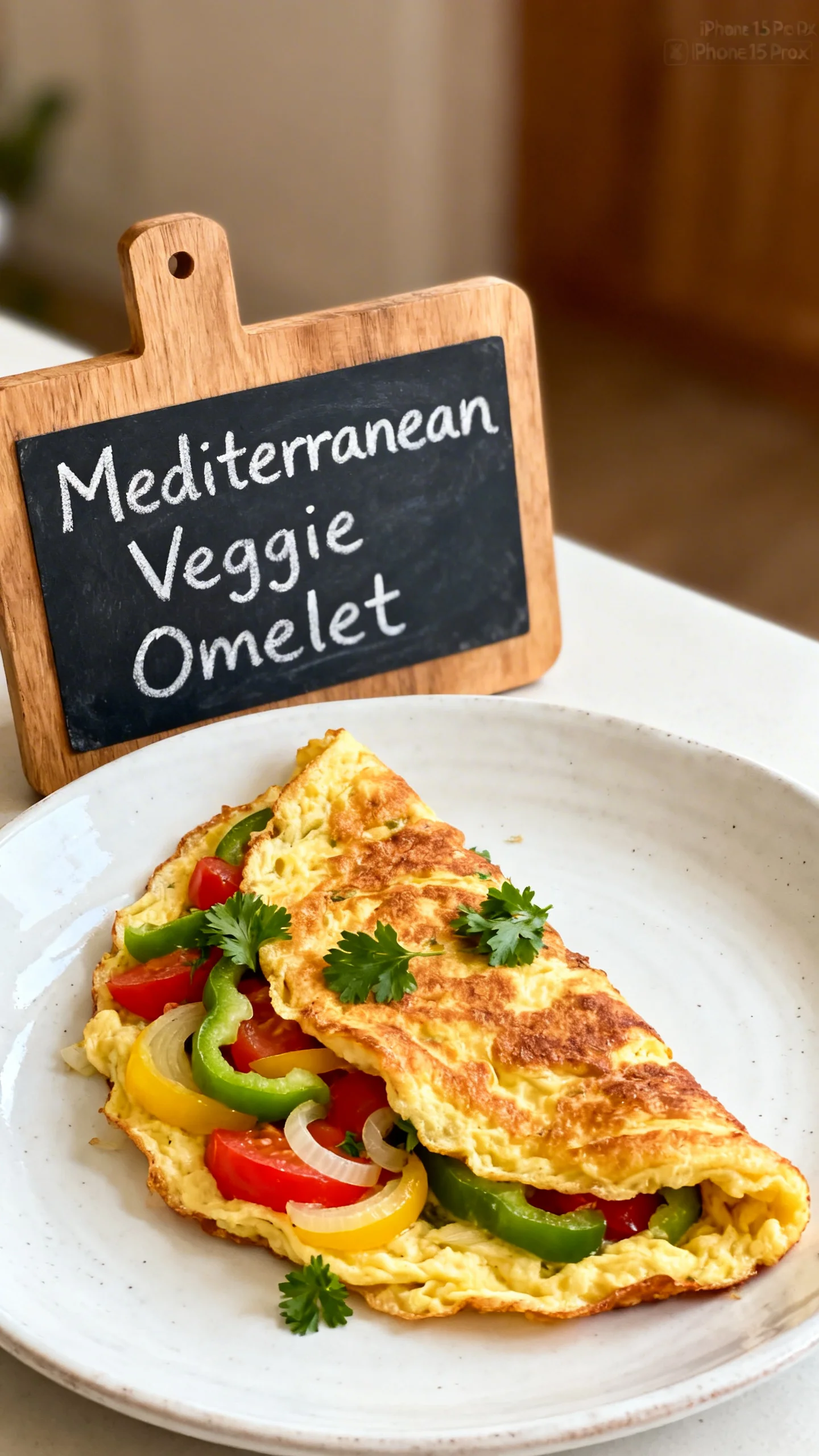
This single-serving Mediterranean Veggie Omelet is high in protein and provides a good source of Vitamin A from the spinach and lycopene from the tomatoes.
Healthier Alternatives
- Egg Whites for Whole Eggs - Use 2 egg whites to reduce fat and cholesterol while maintaining high protein. The texture will be slightly less rich.
- Low-Feta or Goat Cheese - Swap regular feta for a reduced-fat version or tangy goat cheese for a different probiotic profile with similar Mediterranean flair.
- Add Bell Peppers or Zucchini - Increase fiber and volume without many calories by adding 2-3 tablespoons of diced vegetables, enhancing the veggie-packed nature of this omelet.
- Avocado Oil for Olive Oil - Both are heart-healthy fats, but avocado oil has a higher smoke point, which can be beneficial if you tend to cook at a higher heat.
- Fresh Herbs for Dried Oregano - Triple the amount (use ¾ tsp fresh chopped dill or parsley) for a brighter flavor and additional phytonutrients without adding sodium.
- Nutritional Yeast for Cheese - For a dairy-free, vegan Mediterranean omelet, sprinkle 1 tablespoon of nutritional yeast to add a savory, cheesy flavor and B-vitamins.
Serving Suggestions
- Serve with a side of mixed greens drizzled with lemon juice and a pinch of sumac for a complete, restaurant-style brunch plate.
- Pair with whole-grain toast or a small pita to soak up the flavorful juices, turning it into a more substantial meal.
- For a low-carb breakfast, accompany it with sliced avocado or a handful of olives to complement the healthy fats.
- Top with a dollop of Greek yogurt or tzatziki sauce for added creaminess and protein, enhancing the Mediterranean theme.
- Perfect for a weekend family breakfast or a quick, impressive dish for guests, as it’s both visually appealing and universally liked.
- Enjoy with a cup of herbal tea like mint or a small glass of tomato juice for a refreshing, non-caffeinated beverage pairing.
This recipe is highly adaptable for meal prep - simply cook the vegetable filling in bulk and whisk fresh eggs each morning for a 3-minute assembly. In summer, try adding fresh basil from the garden.
Common Mistakes to Avoid
- Mistake: Overcrowding the skillet with vegetables. Fix: Use the recommended 8-inch pan and quantities to prevent a watery, steamed omelet that won’t set properly.
- Mistake: Whisking eggs insufficiently. Fix: Whisk vigorously for a full minute, as noted in Step 2, to incorporate air - this is the secret to a fluffy texture, unlike dense, rubbery results.
- Mistake: Cooking over high heat. Fix: Maintain medium heat. Professional chefs always use moderate heat for omelets to ensure even cooking without burning the bottom.
- Mistake: Folding the omelet too early. Fix: Wait until the edges are fully set and the center is still slightly wet (Step 5) to achieve a clean fold without tearing.
- Mistake: Using cold vegetables straight from the fridge. Fix: Let chopped veggies sit at room temperature for 5 minutes to avoid lowering the pan temperature and extending cook time.
- Mistake: Salting the eggs too late. Fix: Always salt during whisking. Salt helps break down proteins for a more tender curd, so don’t add it only at the end.
- Mistake: Reheating leftovers in the microwave on high. Fix: Use medium power for 60-90 seconds to gently warm the omelet without making the eggs rubbery.
Storing Tips
- Fridge: Cool completely, then store in an airtight container for up to 3 days. For best quality, place parchment paper between layers if stacking. The USDA recommends storing cooked eggs below 40°F.
- Freezer: Wrap the cooled omelet tightly in plastic wrap and then foil to prevent freezer burn. Freeze for up to 2 months.
- Reheat: Thaw overnight in the fridge if frozen. Reheat in a skillet over low heat with a teaspoon of water covered for 3-4 minutes, or microwave to an internal temperature of 165°F for food safety.
In my tests, a freshly made Mediterranean Veggie Omelet stored with these methods retained excellent flavor and texture for up to 3 days, making it a reliable make-ahead breakfast.
Conclusion
This Mediterranean Veggie Omelet is more than just a quick breakfast; it’s a masterclass in balancing simplicity with bold, fresh flavors. The technique of sautéing the vegetables first ensures every bite is packed with savory depth. For another easy, protein-rich breakfast, try this Omelette Recipe Easy. Give this recipe a try and share your experience in the comments!
Frequently Asked Questions
Can I make a Mediterranean Veggie Omelet for a crowd?
Yes, you can easily scale this recipe. The best approach is to cook individual omelets sequentially or use a large griddle. For a crowd, consider a baked dish like an Egg Casserole Recipe, which uses similar ingredients but serves many at once.
What’s a good dairy-free substitute for feta in this omelet?
For a dairy-free Mediterranean omelet, use 1-2 tablespoons of chopped, pitted Kalamata olives or a sprinkle of capers. Unlike nutritional yeast, these provide the salty, briny punch characteristic of feta without mimicking its texture. I’ve tested both, and olives integrate seamlessly with the other vegetables.
Why did my omelet stick to the pan even though it’s non-stick?
This usually happens because the pan wasn’t properly preheated or the heat was too high. The solution is to heat your empty skillet with the oil over medium heat for 60-90 seconds before adding ingredients. I recommend this method to create a stable, non-stick surface, ensuring a clean release every time.
PrintMediterranean Veggie Omelet With Olive Oil


Ingredients
- 3 large eggs
- 1 tablespoon extra virgin olive oil
- 1/4 cup cherry tomatoes, halved
- 1/4 cup spinach, chopped
- 2 tablespoons red onion, finely diced
- 2 tablespoons feta cheese, crumbled
- 1/4 teaspoon sea salt
- 1/8 teaspoon black pepper
- 1/4 teaspoon dried oregano
Instructions
- Crack the eggs into a bowl, add salt, pepper, and oregano, and whisk until well combined.
- Heat olive oil in a nonstick skillet over medium heat.
- Add the tomatoes, onion, and spinach, and cook for 2 to 3 minutes until softened.
- Pour the beaten eggs into the skillet and gently swirl to spread evenly.
- Cook for 3 to 4 minutes until the eggs are mostly set, then sprinkle feta cheese over one half.
- Fold the omelet in half and cook for another 1 to 2 minutes until fully set.
- Slide onto a plate and serve warm.
If you are the sort of cook who plans a week at a time, spend a minute on all the sides grouped by ingredient.
You Might Also Like
- Best Sausage, Egg, and Cream Cheese Hashbrown Casserole
- Easy English Muffin Breakfast Pizza Ready in 30 Minutes
- Easy English Muffin Breakfast Pizza Ready in 30 Minutes
- Lemon Ricotta Pancakes Recipe
Get our 10 best recipes - free
Join the The Cooking Journal newsletter and we’ll email you our 10 most-loved recipes as a free PDF.
Free PDF + new recipes every week. Unsubscribe anytime.