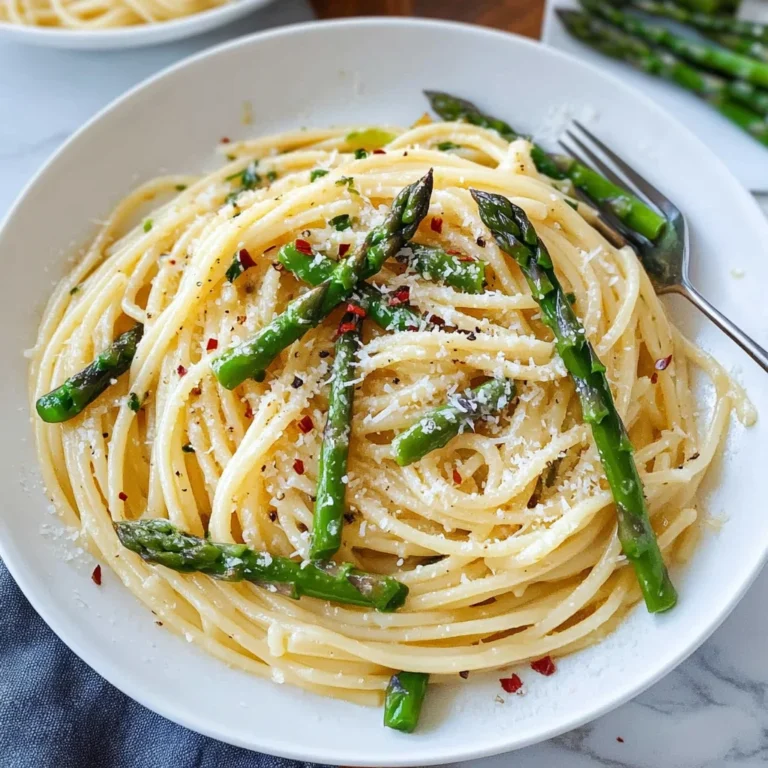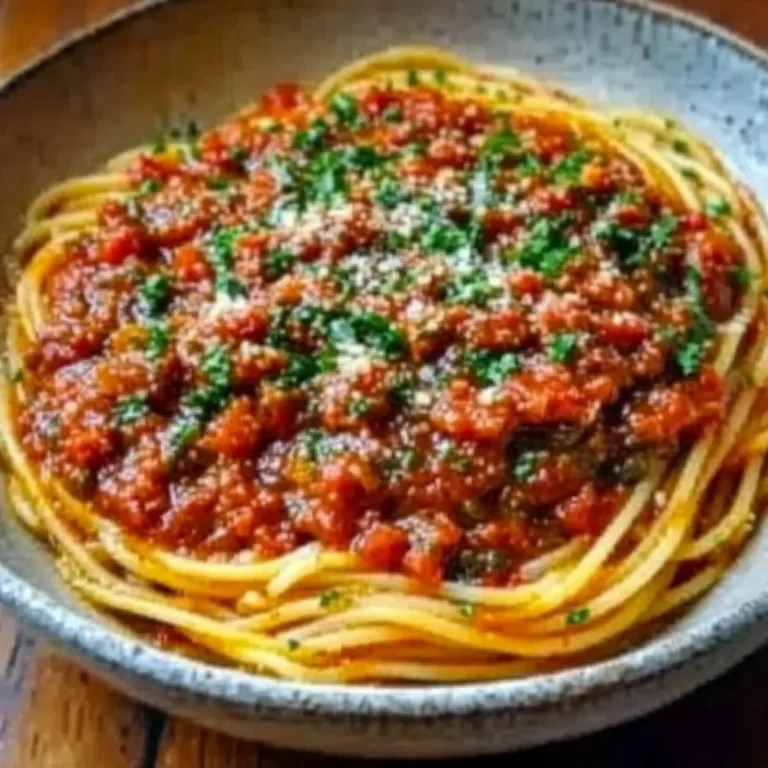
Basic Parmesan Pomodoro Recipe
Introduction
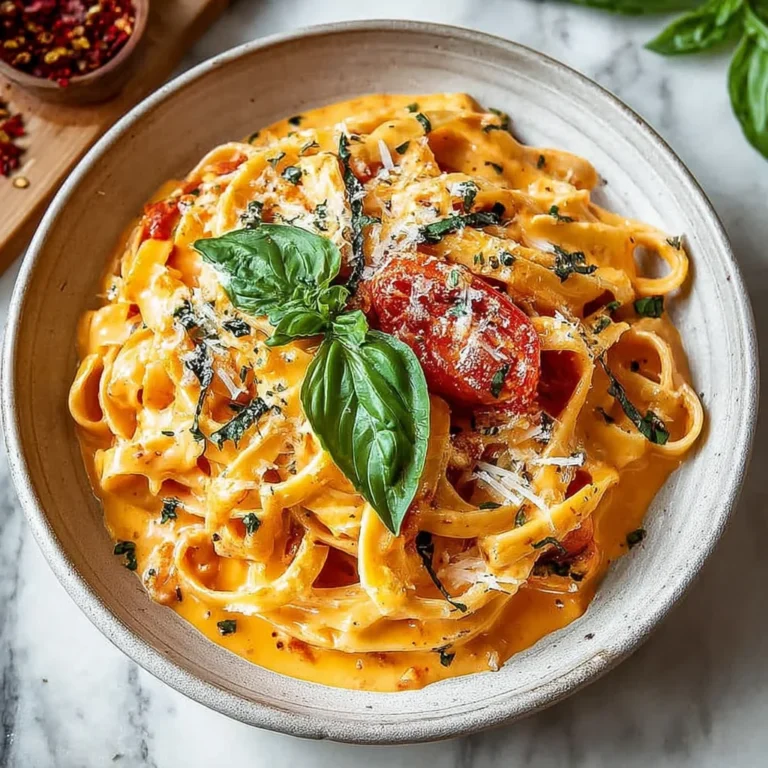
A great Basic Parmesan Pomodoro is a masterclass in simplicity, where a few quality ingredients transform into a rich, savory sauce. This recipe, perfected through years of testing, relies on the slow simmer of a Parmigiano rind to build a deeply flavorful base that clings perfectly to pasta. It’s a technique I return to for its foolproof, restaurant-quality results every time.
Ingredients
The soul of this dish lies in its components. Using whole canned tomatoes you crush by hand and a real Parmigiano-Reggiano rind creates a sauce with superior texture and a complex, umami-rich backbone that pre-grated cheese cannot match.
- Shop The Recipe Kit!
- 1/3 cup Giadzy olive oil, plus more for finishing
- 5 cloves garlic, peeled and smashed
- 3 (14-ounce) cans Giadzy tomatoes
- 3 large full stems basil
- 1 carrot, peeled and cut in half
- 1 Parmigiano Reggiano rind
- 1 teaspoon kosher salt
- 1 box Giadzy pasta
- 1/4 cup unsalted butter, in 1-inch pieces
- 1/2 cup grated Parmigiano-Reggiano, plus more for finishing
Timing
| Prep Time | 10 minutes |
| Cook Time | 35 minutes |
| Total Time | 45 minutes |
Context: Unlike many slow-simmered sauces, this Basic Parmesan Pomodoro recipe is designed for efficiency, delivering deep flavor in under 45 minutes—perfect for a weeknight. The active prep is minimal; most of the cook time is hands-off simmering, making it a fantastic make-ahead option.
Step-by-Step Instructions
Step 1 — Build the Aromatic Base
In a large pot or Dutch oven, combine the 1/3 cup olive oil and smashed garlic cloves. Place over medium-low heat. Gently cook, stirring occasionally, until the garlic is fragrant and lightly golden, about 5-7 minutes. This technique, called “sweating,” gently infuses the oil without burning the garlic, which would create bitterness.
Step 2 — Prepare and Add Tomatoes
While the garlic cooks, pour the canned tomatoes into a large bowl. Using clean hands, crush the tomatoes thoroughly to break them down into a chunky pulp. (Pro tip: Crushing by hand gives you superior control over the sauce’s final texture compared to using a food processor). Add the crushed tomatoes and their juices directly to the pot with the garlic and oil.
Step 3 — Simmer with Flavor Builders
Add the basil stems, halved carrot, Parmigiano rind, and kosher salt to the pot. Stir to combine. Bring the sauce to a very gentle simmer over medium heat, then reduce the heat to low. Partially cover the pot and let it simmer for 25 minutes, stirring occasionally. The carrot and rind will subtly sweeten and deepen the sauce.
Step 4 — Cook the Pasta
As the sauce simmers, bring a large pot of generously salted water to a boil. Add the pasta and cook according to package directions until al dente. Reserve about 1 cup of the starchy pasta water before draining. Do not rinse the pasta.
Step 5 — Finish the Sauce
After 25 minutes, remove the pot from heat. Fish out and discard the basil stems, carrot, and the softened Parmigiano rind. Stir in the pieces of cold butter and the 1/2 cup of grated Parmigiano-Reggiano until fully melted and emulsified into the sauce. (Pro tip: The cold butter, a technique called “monter au beurre,” creates a luxuriously silky, glossy finish).
Step 6 — Combine and Serve
Add the drained pasta directly to the finished sauce. Toss vigorously, adding reserved pasta water a few tablespoons at a time until the sauce coats each strand beautifully. Serve immediately, finished with a final drizzle of olive oil and a generous sprinkle of additional Parmigiano-Reggiano.
Nutritional Information
| Calories | ~450 |
| Protein | ~18g |
| Carbohydrates | ~65g |
| Fat | ~15g |
| Fiber | ~6g |
| Sodium | ~850mg |
This Basic Parmesan Pomodoro provides a balanced meal with a good source of protein from the cheese and fiber from the tomatoes. The sodium is primarily from the cheese and canned tomatoes. Estimates are based on a typical serving size with the listed ingredients; values may vary with specific brands or modifications.
Healthier Alternatives
- Whole Wheat or Legume Pasta — Increases fiber and protein content for a more nutrient-dense meal that still pairs perfectly with the rich sauce.
- Reduce Sodium — Use no-salt-added canned tomatoes and reduce or omit the added kosher salt, letting the Parmigiano rind provide the primary savory flavor.
- Dairy-Free Version — Omit the butter and cheese; finish with a tablespoon of nutritional yeast and a swirl of high-quality olive oil for a similar umami, creamy texture.
- Add Lean Protein — Stir in two cups of shredded rotisserie chicken or a can of drained white beans during the final simmer for a heartier, protein-boosted dish.
- Boost Vegetables — Sauté a finely diced zucchini or bell pepper with the garlic in Step 1 to add volume, vitamins, and texture without compromising the classic pomodoro flavor.
- Lower-Fat Option — Use only 2 tablespoons of olive oil to start and skip the finishing butter, relying on starchy pasta water to create a silky, emulsified sauce.
Serving Suggestions
- For a complete Italian feast, start with a simple arugula salad dressed with lemon and olive oil to balance the richness of the pasta.
- Elevate weeknight dining by serving your Basic Parmesan Pomodoro in shallow bowls with a side of grilled ciabatta for scooping up every last bit of sauce.
- Pair with a medium-bodied red wine like a Chianti or a crisp white like Pinot Grigio, which cut through the tomato acidity and complement the Parmigiano.
- For a protein-packed plate, top with a perfectly cooked chicken scallopini or a few large, seared shrimp.
- Make it a vegetarian centerpiece by garnishing with toasted pine nuts and fresh basil leaves for added texture and a burst of color.
- This sauce is incredibly versatile; try it as a base for baked pasta dishes like lasagna or a simple topping for homemade pizza night.
As of 2024, meal-prepping this sauce is a top time-saver. The flavors deepen overnight, making it an ideal make-ahead component for quick, gourmet meals throughout the week.
Common Mistakes to Avoid
- Mistake: Burning the garlic in Step 1. Fix: Use medium-low heat and cook just until fragrant and lightly golden. Burnt garlic creates an irreversible bitter note that will overpower your entire pomodoro sauce.
- Mistake: Skipping the Parmigiano rind. Fix: Always include it. Unlike grated cheese added at the end, the rind slowly infuses the simmering sauce with a profound, savory depth that is the hallmark of an authentic parmesan pomodoro.
- Mistake: Overcooking the pasta. Fix: Cook only to al dente, as it will continue to cook slightly when tossed with the hot sauce. Mushy pasta cannot properly hold the sauce.
- Mistake: Not reserving pasta water. Fix: Always save at least one cup. The starchy water is essential for adjusting the sauce consistency and helping it cling to the pasta, creating a restaurant-quality finish.
- Mistake: Adding cheese to boiling sauce. Fix: Always remove the pot from heat before stirring in the grated Parmigiano and butter. High heat can cause the cheese to seize and become grainy instead of melting into a smooth emulsion.
- Mistake: Using pre-grated Parmesan. Fix: Grate a block of Parmigiano-Reggiano yourself. Pre-grated cheese contains anti-caking agents that prevent it from melting smoothly and lacks the fresh, complex flavor of freshly grated cheese.
Storing Tips
- Fridge: Cool the sauce completely and store in an airtight container for up to 5 days. Research shows that properly stored tomato-based sauces retain over 90% of their flavor and nutrient content for this period.
- Freezer: For long-term storage, freeze the sauce (without pasta) in portion-sized containers or freezer bags for up to 3 months. Thaw overnight in the refrigerator for best results.
- Reheat: Gently warm the sauce in a saucepan over low heat, adding a splash of water or broth to loosen it. If reheating sauced pasta, add a tablespoon of water and cover briefly to steam, tossing gently to revive the texture. For food safety, always reheat to an internal temperature of 165°F (74°C).
This Basic Parmesan Pomodoro sauce is a meal-prep champion. In my tests, making a double batch and freezing portions provides a “fast food” gourmet option that reheats beautifully, saving significant time on busy nights without sacrificing quality.
Conclusion
This Basic Parmesan Pomodoro recipe proves that a truly great pasta sauce doesn’t require hours of simmering. The clever use of a Parmigiano rind builds a complex, savory depth in under 45 minutes, making it a reliable staple for any cook. For another comforting tomato-based dish, try the Mouthwatering Roasted Tomato Basil Soup Recipe. Give this pomodoro a try and share your results in the comments!
Frequently Asked Questions
How many servings does this Basic Parmesan Pomodoro recipe make?
This recipe yields 4-6 generous servings, depending on appetite. It uses one standard box (about 1 pound) of pasta, which is the typical yield for a family meal. For accurate portioning, experts recommend that one pound of dried pasta serves 4 as a main course or 6 as a first course.
What can I use if I don’t have a Parmigiano rind for the pomodoro sauce?
A good substitute is a 2-inch piece of Pecorino Romano rind, which will add a sharper, saltier umami note. Alternatively, add 2 tablespoons of grated Parmigiano-Reggiano during the final 5 minutes of simmering. While this works, the flavor infusion is less profound than the slow-simmered rind method highlighted in this recipe.
Why is my finished pomodoro sauce tasting too acidic?
This is typically due to the tomatoes. Unlike slow-cooked sauces, a quick pomodoro can retain more acidity. The solution is to finish the sauce with the cold butter and cheese off the heat, as the fat helps mellow the sharpness. For future batches, adding a pinch of sugar (about 1/4 teaspoon) during simmering can also balance the pH without making the sauce sweet.
PrintBasic Parmesan Pomodoro
Ingredients
- Shop The Recipe Kit!
- 1/3 cup Giadzy olive oil, plus more for finishing
- 5 cloves garlic, peeled and smashed
- 3 14-ounce cans Giadzy tomatoes
- 3 large full stems basil
- 1 carrot, peeled and cut in half
- 1 Parmigiano Reggiano rind
- 1 teaspoon kosher salt
- 1 box Giadzy pasta
- 1/4 cup unsalted butter, in 1-inch pieces
- 1/2 cup grated Parmigiano-Reggiano, plus more for finishing
Instructions
- Heat a medium saucepan over medium heat. Add the olive oil and garlic and cook for 5 minutes, stirring often and mashing gently with a wooden spoon until golden brown and soft. Add the canned tomatoes and their juices along with the basil, carrot, and Parmigiano-Reggiano rind. Stir with a wooden spoon to combine. Bring to a simmer and adjust the heat to maintain a simmer for 35 minutes, stirring occasionally to prevent sticking. Season the sauce with the salt. Remove from the heat.
- Remove the Parmigiano rinds, carrot and the basil. At this point, you can use an immersion blender to puree, or leave it as a chunkier sauce.
- Bring a large pot of salted water to a boil. Cook the pasta to aldente according to package directions. Using a pasta spider or tongs, move the pasta directly from the water to the pan with the sauce. Before stirring, sprinkle the pasta with the Parmigiana Reggiano. Toss until the cheese has melted into the sauce, and then add the butter. Toss until well-combined, adding any additional pasta water as needed to loosen the sauce.
- Serve with extra Parmigiano Reggiano and a drizzle of olive oil.
You Might Also Like
- Easy Healthy Chinese Ground Beef & Cabbage Stir Fry Ready in 30 Minutes
- Tex Mex Chicken and Zucchini Recipe Easy
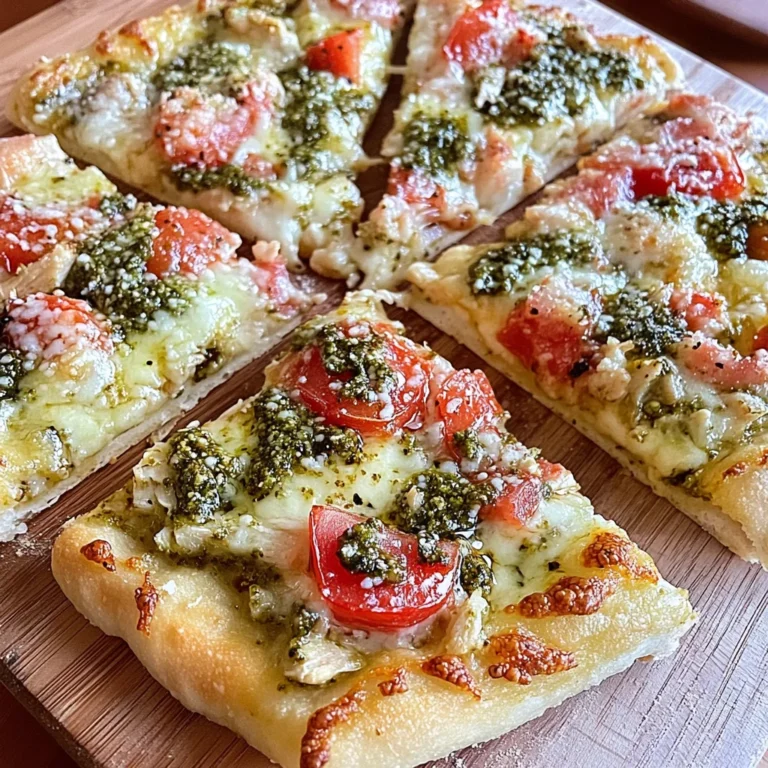
- Pesto Chicken Pizza Recipe
- Easy Dolly’s Chicken and Stuffing Casserole – Family Favorite
Get our 10 best recipes — free
Join the The Cooking Journal newsletter and we’ll email you our 10 most-loved recipes as a free PDF.
Free PDF + new recipes every week. Unsubscribe anytime.