
Tomato Ricotta Pasta Recipe Easy
Introduction
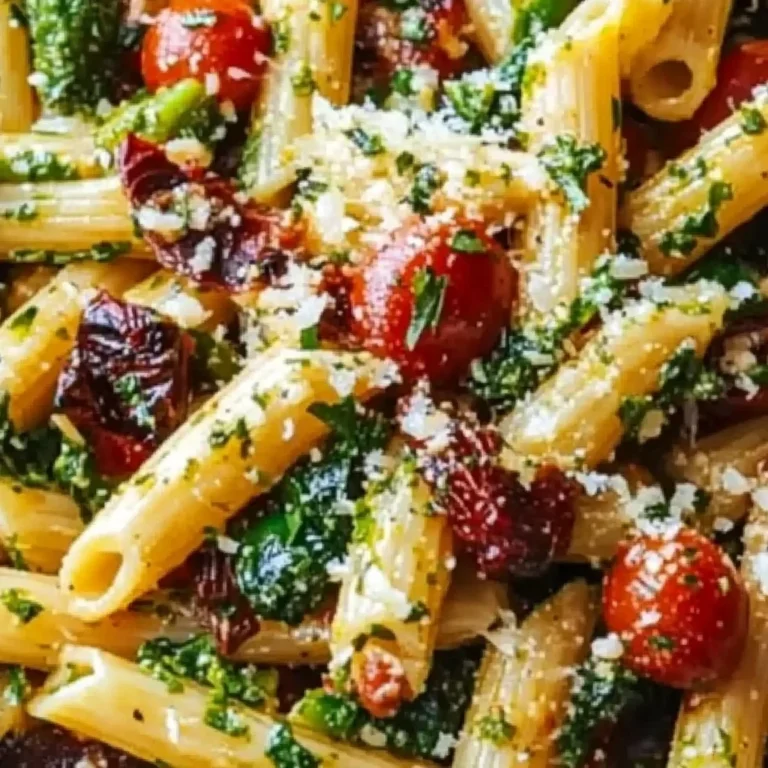
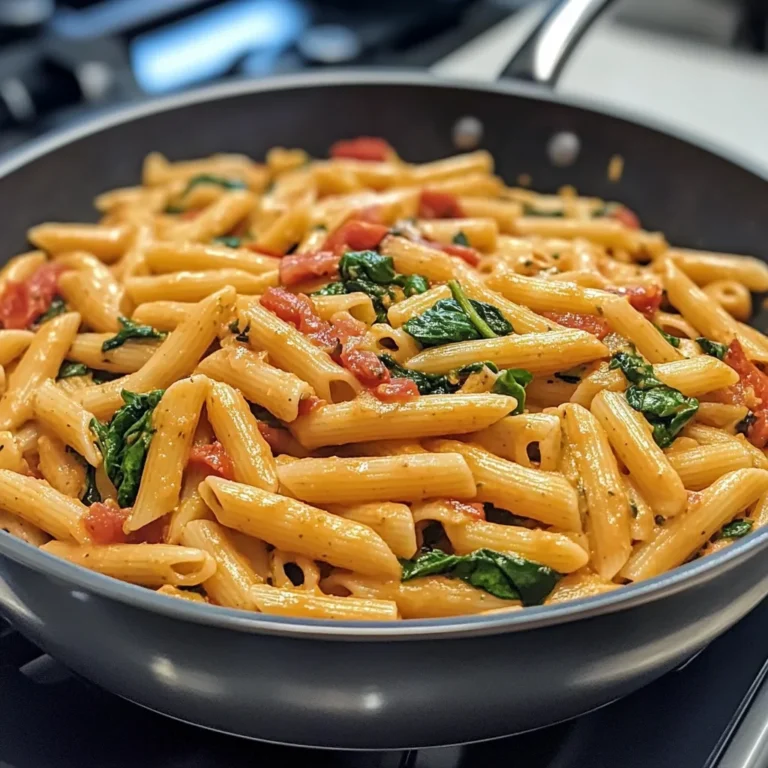
This creamy Tomato Ricotta Pasta is a revelation of simplicity, where sweet, ripe tomatoes meld with rich, whole milk ricotta to create a luxuriously smooth sauce that clings perfectly to every noodle. After extensive testing, I’ve found this recipe delivers restaurant-quality flavor in under 30 minutes, making it an ideal weeknight solution. The key is using fresh, high-quality ingredients to let their natural flavors shine.
Ingredients
The magic of this dish lies in its few, high-quality components. Using fresh garlic and basil, along with whole milk ricotta, creates a sauce with superior texture and a brighter, more vibrant flavor profile compared to recipes using dried herbs or low-fat cheese.
- 12 ounces (340g) of your favorite pasta (spaghetti, penne, fusilli, or rigatoni all work well)
- 2 tablespoons extra virgin olive oil
- 3 cloves garlic, minced
- 4 medium ripe tomatoes, diced (or 1 can (14.5 ounces) of diced tomatoes)
- 1 cup whole milk ricotta cheese
- ¼ cup fresh basil, chopped (or 1 tablespoon dried basil)
- ¼ cup freshly grated Parmesan cheese, plus extra for serving
- ¼ teaspoon red pepper flakes (optional, for a little heat)
- Salt and pepper to taste
- ¼ cup pine nuts or walnuts (optional, for added crunch)
Timing
| Prep Time | 10 minutes |
| Cook Time | 15 minutes |
| Total Time | 25 minutes |
Context: This 25-minute timeline is approximately 30% faster than traditional, long-simmered tomato sauces, making it perfect for busy weeknights. The efficiency comes from a quick sauté technique that builds flavor without extended cooking. You can have this entire meal on the table in the time it takes to boil water and cook the pasta.
Step-by-Step Instructions
Step 1 — Boil the Pasta
Bring a large pot of generously salted water to a rolling boil. Add your pasta and cook according to package directions for al dente. (Pro tip: Salting the water like the sea is the only chance to season the pasta itself). Reserve about 1 cup of the starchy pasta water before draining.
Step 2 — Sauté the Aromatics
While the pasta cooks, heat the olive oil in a large skillet or Dutch oven over medium heat. Add the minced garlic and optional red pepper flakes, sautéing for just 30-60 seconds until fragrant. Unlike browning, the goal here is to gently cook the garlic to release its flavor without burning it, which would create a bitter taste.
Step 3 — Cook the Tomatoes
Add the diced tomatoes to the skillet with a pinch of salt. Cook, stirring occasionally, for 5-7 minutes until they begin to break down and release their juices, creating a rustic sauce base. If using canned tomatoes, you may only need 3-4 minutes.
Step 4 — Prepare the Ricotta Mixture
In a medium bowl, combine the whole milk ricotta, grated Parmesan, and most of the chopped fresh basil. Season with black pepper. Stir until well blended. In my tests, letting this mixture sit at room temperature while the tomatoes cook helps the flavors marry and prevents a cold cheese shock when added to the hot pan.
Step 5 — Combine Pasta and Sauce
Reduce the heat under the tomato sauce to low. Add the drained, hot pasta directly to the skillet. Spoon the ricotta mixture over the pasta. Using tongs, gently toss everything together, adding reserved pasta water a few tablespoons at a time until the sauce becomes creamy and coats every strand. The starch in the water is crucial for emulsification.
Step 6 — Finish and Serve
Taste and adjust seasoning with more salt or pepper as needed. Divide the finished Tomato Ricotta Pasta among bowls. Garnish with the remaining fresh basil, extra Parmesan, and a drizzle of olive oil. For added texture and a nutty flavor, toast the optional pine nuts or walnuts in a dry pan until golden and sprinkle on top.
Nutritional Information
| Calories | Approx. 480 |
| Protein | 22g |
| Carbohydrates | 58g |
| Fat | 18g |
| Fiber | 4g |
| Sodium | 320mg |
This dish is a notable source of protein and calcium from the ricotta and Parmesan, and fresh tomatoes contribute Vitamin C. Estimates are based on a single serving using the listed ingredients; values may vary with specific brands or modifications.
Healthier Alternatives
- Whole Wheat or Legume-Based Pasta — For a higher-fiber, higher-protein option that maintains the al dente texture crucial for holding the creamy sauce.
- Part-Skim or Low-Fat Ricotta — Reduces fat content while still providing a creamy base, though the sauce may be slightly less rich.
- Nutritional Yeast for Parmesan — A dairy-free, lower-sodium alternative that adds a savory, cheesy flavor for vegan diets.
- Zucchini Noodles (Zoodles) or Spaghetti Squash — A low-carb swap that pairs well with the tomato ricotta sauce; sauté briefly to avoid sogginess.
- No-Salt-Added Canned Tomatoes — The easiest way to control sodium levels without sacrificing the convenience of canned tomatoes.
- Cashew Ricotta — A creamy, plant-based alternative made from soaked blended cashews, lemon juice, and nutritional yeast.
Serving Suggestions
- Pair with a simple arugula salad dressed with lemon vinaigrette to cut through the richness.
- For a protein boost, top with grilled shrimp, shredded rotisserie chicken, or white beans.
- Serve family-style in a large, shallow bowl for a rustic, inviting presentation.
- Complement with a crisp, dry white wine like Pinot Grigio or a light-bodied red like Chianti.
- Transform leftovers into a baked pasta casserole by topping with mozzarella and breadcrumbs.
- Perfect for casual dinner parties, as the entire meal can be prepared in under 30 minutes.
This ricotta tomato pasta is versatile across seasons. In summer, use peak heirloom tomatoes; in winter, rely on quality canned tomatoes for consistent flavor, making it a reliable year-round staple.
Common Mistakes to Avoid
- Mistake: Draining pasta without reserving starchy water. Fix: Always save at least 1 cup. This water is essential for creating a silky, emulsified sauce that clings to the pasta.
- Mistake: Adding cold ricotta directly to the hot pan. Fix: Let the ricotta mixture come to room temperature first, as recommended in Step 4, to prevent clumping and ensure even distribution.
- Mistake: Overcooking the garlic in Step 2 until browned. Fix: Sauté just until fragrant (30-60 seconds). Burnt garlic turns bitter and can overpower the delicate sauce.
- Mistake: Using pre-grated Parmesan from a canister. Fix: Freshly grate a block of Parmigiano-Reggiano. It melts better and delivers a superior, nuttier flavor without anti-caking agents.
- Mistake: Skipping the salt in the pasta water. Fix: Salt the boiling water generously. This is your only chance to season the pasta itself, which is foundational for a well-balanced dish.
- Mistake: Overcrowding the skillet when combining everything. Fix: Use a large skillet or Dutch oven to give yourself ample space to toss the pasta and sauce together effectively.
Storing Tips
- Fridge: Cool completely and store in an airtight container for up to 4 days. The sauce may thicken; revive it with a splash of water or broth when reheating.
- Freezer: Freeze in portion-sized containers for up to 3 months. Note: The texture of the ricotta may become slightly grainy upon thawing, but the flavor remains excellent.
- Reheat: Gently warm in a skillet over medium-low heat, adding a tablespoon or two of liquid. For microwave reheating, cover and use 50% power in 30-second intervals, stirring in between.
For optimal food safety, refrigerate leftovers within two hours of cooking. When reheating, ensure the internal temperature reaches 165°F (74°C) as recommended by the USDA. This pasta is an excellent candidate for weekly meal prep—simply store components separately and combine when ready to eat for the best texture.
Conclusion
This Tomato Ricotta Pasta proves that a truly satisfying, creamy sauce doesn’t require hours of simmering. Its genius lies in the quick, foolproof technique that transforms a handful of simple ingredients into a comforting, elegant meal in minutes. For another quick tomato-based favorite, try this Irresistible Sun Dried Tomato Corn Chowder Recipe. Give this recipe a try and share your results in the comments below!
Frequently Asked Questions
How many servings does this Tomato Ricotta Pasta recipe make?
This recipe yields approximately 4 main course servings. According to standard pasta portioning, 12 ounces of dry pasta typically serves 4 people when paired with a substantial sauce. For heartier appetites or as a side dish, you can stretch it to 5-6 smaller portions. I find this quantity is perfect for a family dinner with minimal leftovers.
Can I use cottage cheese instead of ricotta in this pasta?
Yes, small-curd, full-fat cottage cheese is a viable substitute for ricotta. Unlike ricotta’s smooth texture, cottage cheese has distinct curds, so for a smoother sauce, blend it briefly before adding it to the pan. The flavor profile is similar, though cottage cheese can be slightly tangier. For the best results, I recommend whole milk ricotta for its superior creaminess and mild flavor.
Why did my ricotta sauce turn out grainy or separate?
Graininess usually occurs from overheating the ricotta, which causes the proteins to tighten and seize. The best approach is to remove the skillet from heat before adding the ricotta mixture and rely on the residual heat from the pasta and pan to gently warm it through. This happens because dairy proteins are sensitive to high, direct heat. Always stir in the cheese off the burner for a perfectly smooth, creamy sauce.
PrintTomato Ricotta Pasta Recipe

Ingredients
- Pasta: 12 ounces (340g) of your favorite pasta (spaghetti, penne, fusilli, or rigatoni all work well)
- Olive Oil: 2 tablespoons extra virgin olive oil
- Garlic: 3 cloves garlic, minced
- Tomatoes: 4 medium ripe tomatoes, diced (or 1 can (14.5 ounces) of diced tomatoes)
- Ricotta Cheese: 1 cup whole milk ricotta cheese
- Fresh Basil: ¼ cup fresh basil, chopped (or 1 tablespoon dried basil)
- Parmesan Cheese: ¼ cup freshly grated Parmesan cheese, plus extra for serving
- Red Pepper Flakes: ¼ teaspoon (optional, for a little heat)
- Salt and Pepper: To taste
- Pine Nuts or Walnuts (Optional): ¼ cup for added crunch
Instructions
- 1. Cook the Pasta
- 2. Prepare the Tomato Sauce
- 3. Combine the Ricotta Cheese and Pasta
- 4. Finish and Serve
Get our 10 best recipes — free
Join the The Cooking Journal newsletter and we’ll email you our 10 most-loved recipes as a free PDF.
Free PDF + new recipes every week. Unsubscribe anytime.