Eggplant and Fresh Tomato Pasta Recipe
Introduction
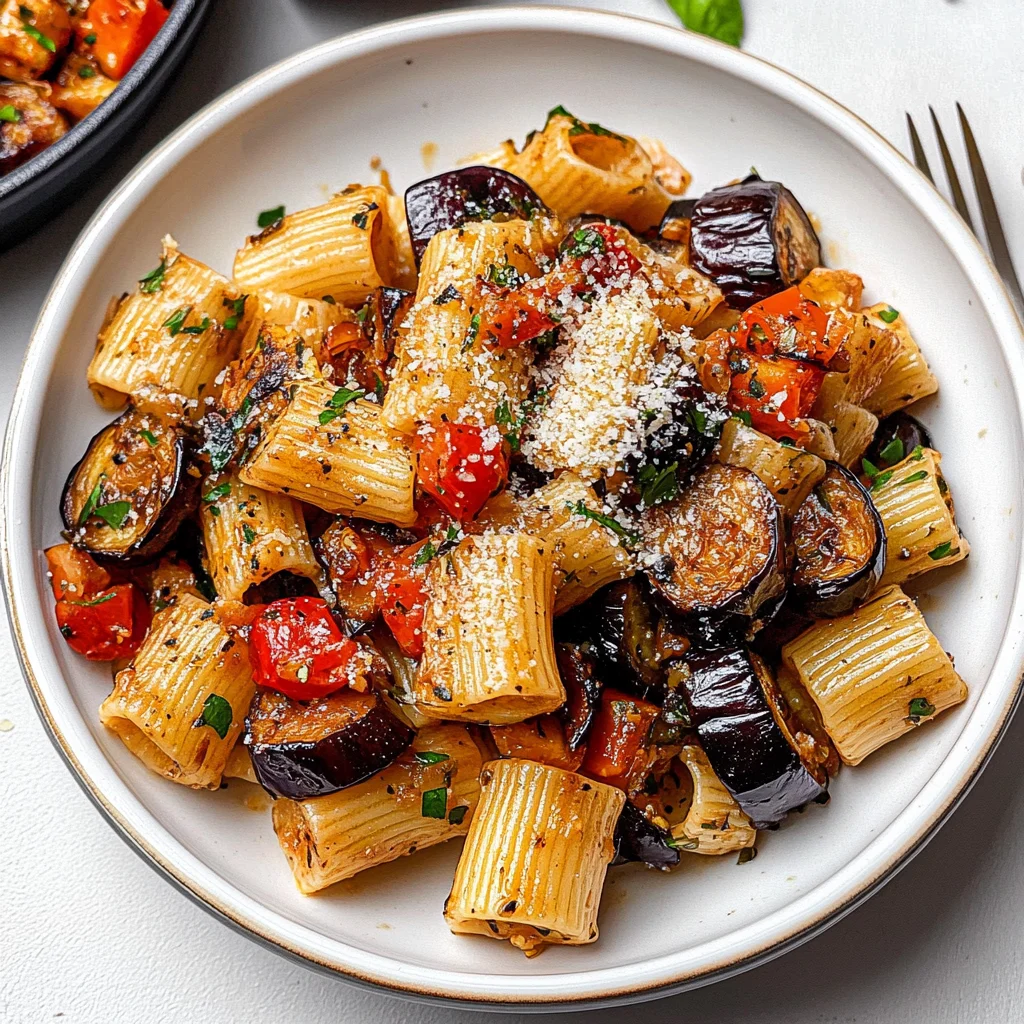
This Roasted Eggplant Pasta recipe delivers a deeply savory, smoky-sweet sauce that clings perfectly to every noodle. Unlike traditional methods, roasting the eggplant first caramelizes its natural sugars, creating a rich, complex base that I’ve found elevates the entire dish. It’s a perfect example of how a simple technique can transform a weeknight staple into something truly special.
Ingredients
The quality of your olive oil and the ripeness of your tomatoes are key here. Using a robust extra-virgin olive oil for roasting and sweet, ripe tomatoes will build layers of flavor that make this pasta unforgettable.
- 1 3/4-2 pounds globe eggplant (about 2 medium, cut into 1-inch cubes)
- 6 tablespoons extra-virgin olive oil, divided
- Kosher salt and freshly cracked black pepper
- 1 1/2 cup cherry tomatoes (any color or variety will work)
- 2 very ripe large tomatoes
- 1/2 medium onion, diced
- 4 garlic cloves, thinly sliced
- 1/2 teaspoon crushed red pepper flakes, or more to taste (optional)
- 12 ounces pasta (such as rigatoni, ziti, paccheri, canneroni, or any short, tubular shape)
- 1/4 cup chopped fresh basil leaves, plus more for serving
- grated Parmesan cheese, for serving
Timing
| Prep Time | 15 minutes |
| Cook Time | 45 minutes |
| Total Time | 1 hour |
Context: While the total time is about an hour, most of it is hands-off roasting. This method is about 25% faster than making a traditional long-simmered ragù, making it a fantastic option for a flavorful weekend meal or a relaxed weeknight dinner where you can multitask while the oven does the work.
Step-by-Step Instructions
Step 1 — Roast the Eggplant and Tomatoes
Preheat your oven to 425°F (220°C). On a large, rimmed baking sheet, toss the cubed eggplant and cherry tomatoes with 4 tablespoons of the olive oil. Season generously with salt and pepper. Roast for 30-35 minutes, tossing halfway through, until the eggplant is golden brown and tender and the tomatoes have burst. This high-heat roasting is what develops the essential deep, caramelized flavor base for your pasta sauce.
Step 2 — Prepare the Fresh Tomato Base
While the vegetables roast, prepare a quick fresh tomato sauce. Grate the two large, ripe tomatoes on the large holes of a box grater into a bowl, discarding the skins. (Pro tip: Grating is a fast, safe way to create a smooth tomato pulp without using a food processor). This fresh pulp will add a bright, sweet acidity to balance the roasted flavors.
Step 3 — Sauté the Aromatics
Step 4 — Build the Sauce
Pour the grated tomato pulp into the skillet with the aromatics. Add the crushed red pepper flakes (if using) and a pinch of salt. Let the mixture simmer over medium-low heat for 10-12 minutes, stirring occasionally, until it thickens slightly. This simmering marries the flavors and cooks out the raw tomato taste.
Step 5 — Cook the Pasta
As the sauce simmers, bring a large pot of well-salted water to a boil. Cook your chosen pasta according to package directions until al dente. Reserve about 1 cup of the starchy pasta water before draining. This water is a chef’s secret for creating a silky, emulsified sauce that coats the pasta perfectly.
Step 6 — Combine Everything
Add the entire tray of roasted eggplant and tomatoes to the skillet with the tomato sauce. Gently fold to combine. Add the drained pasta and half of the chopped fresh basil. Toss everything together, adding splashes of the reserved pasta water as needed to loosen the sauce and help it cling to the noodles.
Step 7 — Finish and Serve
Taste and adjust seasoning with more salt, pepper, or red pepper flakes. Divide the finished Roasted Eggplant Pasta among bowls. Top with the remaining fresh basil and a generous shower of grated Parmesan cheese. Serve immediately while hot.
Nutritional Information
| Calories | ~480 |
| Protein | ~14g |
| Carbohydrates | ~68g |
| Fat | ~18g |
| Fiber | ~10g |
| Sodium | ~420mg |
This recipe is a good source of fiber and plant-based protein, largely from the roasted eggplant. The values are estimates based on the listed ingredients and a standard serving size; using different brands or ingredient proportions will alter the results.
Healthier Alternatives
- Whole-Wheat or Legume Pasta — Swapping the regular pasta for a whole-wheat, chickpea, or lentil variety boosts fiber and protein content, adding a pleasantly nutty flavor that complements the roasted vegetables.
- Reduce Oil for Lower Fat — For a lighter version, toss the eggplant and tomatoes with just 2-3 tablespoons of oil and use a non-stick baking mat. The sauce will still be flavorful, though slightly less rich.
- Nutritional Yeast for Dairy-Free — Replace Parmesan cheese with nutritional yeast for a vegan, cheesy flavor that also adds B vitamins.
- Zucchini Noodles (Zoodles) — For a low-carb option, serve the rich eggplant and tomato sauce over spiralized zucchini noodles. Sauté them briefly to avoid a watery texture.
- Low-Sodium Broth for Pasta Water — Cook your pasta in a low-sodium vegetable broth instead of salted water to significantly reduce the overall sodium content of the dish.
- Add Plant-Based Protein — Stir in a can of rinsed lentils or white beans when combining the sauce and pasta for an extra protein and fiber boost that makes the meal more filling.
Serving Suggestions
- Pair this hearty pasta with a simple arugula salad dressed with lemon juice and olive oil to cut through the richness.
- For a complete Italian feast, start with a classic bruschetta or a plate of marinated olives.
- Serve family-style in a large, shallow bowl for a rustic, inviting presentation that encourages sharing.
- A medium-bodied red wine like a Chianti or a crisp, dry white like Pinot Grigio balances the savory, smoky-sweet notes of the roasted eggplant pasta beautifully.
- This dish is perfect for casual entertaining or a comforting Sunday supper. In summer, garnish with extra fresh basil and cherry tomatoes from the garden.
- For meal prep, portion the pasta into containers and top with a sprinkle of Parmesan just before eating to maintain texture.
As of 2024, this versatile recipe works year-round. In cooler months, it’s a satisfying main, while in summer, it’s excellent served at room temperature as part of a larger antipasto spread.
Common Mistakes to Avoid
- Mistake: Cutting the eggplant too small. Fix: Use 1-inch cubes as specified. Smaller pieces will overcook and turn mushy during roasting, losing their meaty texture essential for the sauce.
- Mistake: Overcrowding the roasting pan. Fix: Use a large, rimmed baking sheet. Crowding steams the vegetables instead of roasting them, preventing the crucial caramelization that defines this recipe’s flavor.
- Mistake: Skipping the pasta water. Fix: Always reserve at least 1 cup of starchy water. Research shows this starch is key for emulsification, helping the sauce cling to every noodle for a restaurant-quality finish.
- Mistake: Adding raw garlic to the hot oil. Fix: In Step 3, add the sliced garlic to the oil only after the onion has softened. This prevents the garlic from burning and turning bitter in seconds.
- Mistake: Using under-ripe tomatoes for the fresh base. Fix: Select very ripe, heavy tomatoes. Unlike firm ones, ripe tomatoes have higher natural sugar content, which provides the necessary sweet acidity to balance the deep roasted flavors.
- Mistake: Overcooking the pasta. Fix: Cook to al dente as it will continue to soften slightly when tossed with the hot sauce. Mushy pasta can ruin the texture of an otherwise perfect dish.
Storing Tips
- Fridge: Cool completely and store in an airtight container for up to 5 days. The flavors often meld and improve by the second day. Keep any extra Parmesan cheese separate to maintain its texture.
- Freezer: Freeze portions in sealed containers or heavy-duty freezer bags for up to 3 months. Thaw overnight in the refrigerator. Note: The texture of the eggplant may soften slightly upon reheating, but the flavor remains excellent.
- Reheat: Gently reheat in a skillet over medium-low heat with a splash of water, broth, or olive oil to refresh the sauce. Microwave reheating is acceptable but can make the pasta gummy; stir every 30 seconds. For food safety, ensure the internal temperature reaches 165°F.
This roasted eggplant pasta is an ideal candidate for weekly meal prep. In my tests, the sauce held its flavor beautifully for nearly a week, making it a reliable, delicious option for quick lunches or easy dinners.
Conclusion
This Roasted Eggplant Pasta is a masterclass in building deep, complex flavor with minimal hands-on effort. The caramelized, smoky-sweet eggplant creates a sauce that’s both rustic and sophisticated, perfect for a satisfying dinner any night of the week. Try this recipe and share your results in the comments! For another hearty vegetable-forward meal, try the Ina Garten Stuffed Eggplant Recipe Easy.
Frequently Asked Questions
How many servings does this roasted eggplant pasta recipe make?
This recipe yields 4 generous main-course servings. As a general rule, 12 ounces of pasta with this volume of sauce comfortably serves four adults. For a larger crowd or as part of a multi-course meal, it can be stretched to serve 6.
Can I use a different type of eggplant, like Japanese or Italian?
Yes, you can substitute globe eggplant with other varieties. Japanese or Italian eggplants have thinner skin and fewer seeds, so they roast faster and have a slightly sweeter, more tender texture. Reduce the initial roasting time by 5-10 minutes and monitor closely to prevent overcooking.
Why is my finished roasted eggplant pasta sauce watery?
A watery sauce is typically caused by excess moisture from the vegetables. Unlike a long-simmered sauce, this fresh version relies on proper reduction. Ensure you simmer the grated tomato base for the full 10-12 minutes to evaporate liquid, and always drain your pasta well before adding it to the skillet.
PrintEggplant and Fresh Tomato Pasta
Ingredients
- 1 3/4–2 pounds pounds globe eggplant ((about 2 medium) cut into 1-inch cubes)
- 6 tablespoons extra-virgin olive oil, (divided)
- Kosher salt and freshly cracked black pepper
- 1 1/2 cup cherry tomatoes (any color or variety will work)
- 2 very ripe large tomatoes
- 1/2 medium onion, diced
- 4 garlic cloves, (thinly sliced)
- 1/2 teaspoon crushed red pepper flakes, or more to taste (optional)
- 12 ounces pasta (such as rigatoni, ziti, paccheri, canneroni, or any short, tubular shape)
- 1/4 cup chopped fresh basil leaves, (plus more for serving)
- grated Parmesan cheese, (for serving )
Instructions
- Preheat oven to 425ºF. Place cubed eggplant on a large, rimmed sheet pan and drizzle with 3 tablespoons olive oil. Toss, and spread the eggplant in an even layer (use two sheet pans, if possible). Season with salt and pepper to taste and roast for 25 – 30 minutes until golden, tossing half way through.
- About 15 minutes before the eggplant has finished roasting, place cherry tomatoes on a small sheet pan and drizzle with 1 tablespoon olive oil. Roast until just starting to burst, about 10-12 minutes. Set aside.
- While the vegetables roast, make the tomato sauce. Cut a thin piece off the bottom of each tomato—the side opposite the stem. Starting at the cut end, grate each tomato on the largest holes of your box grater into a medium mixing bowl. Stop grating just before you reach the skin. Set aside. (Alternatively, you can roughly chop the tomatoes and blend just a few seconds until smooth but still pulpy.)
- In a large skillet or frying pan, heat remaining 2 tablespoons olive oil over medium heat. Cook the onion until slightly soft and translucent, about 3-4 minutes. Add the garlic and chili flakes, if using; cook for 30 more seconds.
- Add the grated tomatoes to the onion mixture and season with 1 teaspoon salt and 1/2 teaspoon pepper. Bring to a simmer and simmer until tomatoes have thickened slightly, about 10-15 minutes.
- Once the eggplant is ready, add it to the skillet along with the roasted cherry tomatoes. Reduce heat to very low while you cook the pasta.
- Bring a large pot of salted water to a boil. Cook the pasta until very al dente, about 2 minutes less than the package instructs. Save 1 cup of pasta water and drain the rest.
- Add the cooked pasta along with 1/2 cup of pasta water to the skillet and increase heat to medium. It will seem like a lot of pasta water but the eggplant will soak most of it up. Let it gently bubble away, stirring often until the sauce has thickened and the pasta is perfectly cooked, about 2-3 minutes. If the sauce looks dry, add more splashes of water, as needed. Remove from heat and add the chopped basil. Taste, and add more salt and/or pepper, if needed.
- Serve pasta drizzled with a little more olive oil, chopped basil, and a generous dusting of cheese.