
Pea and Asparagus Pasta (Super Spring Orzo) Recipe
Introduction
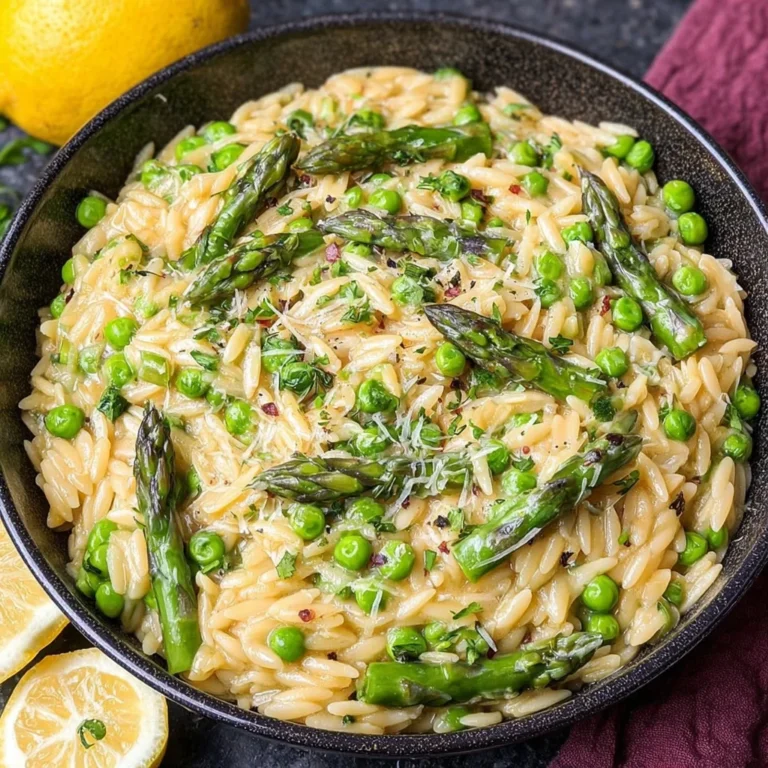
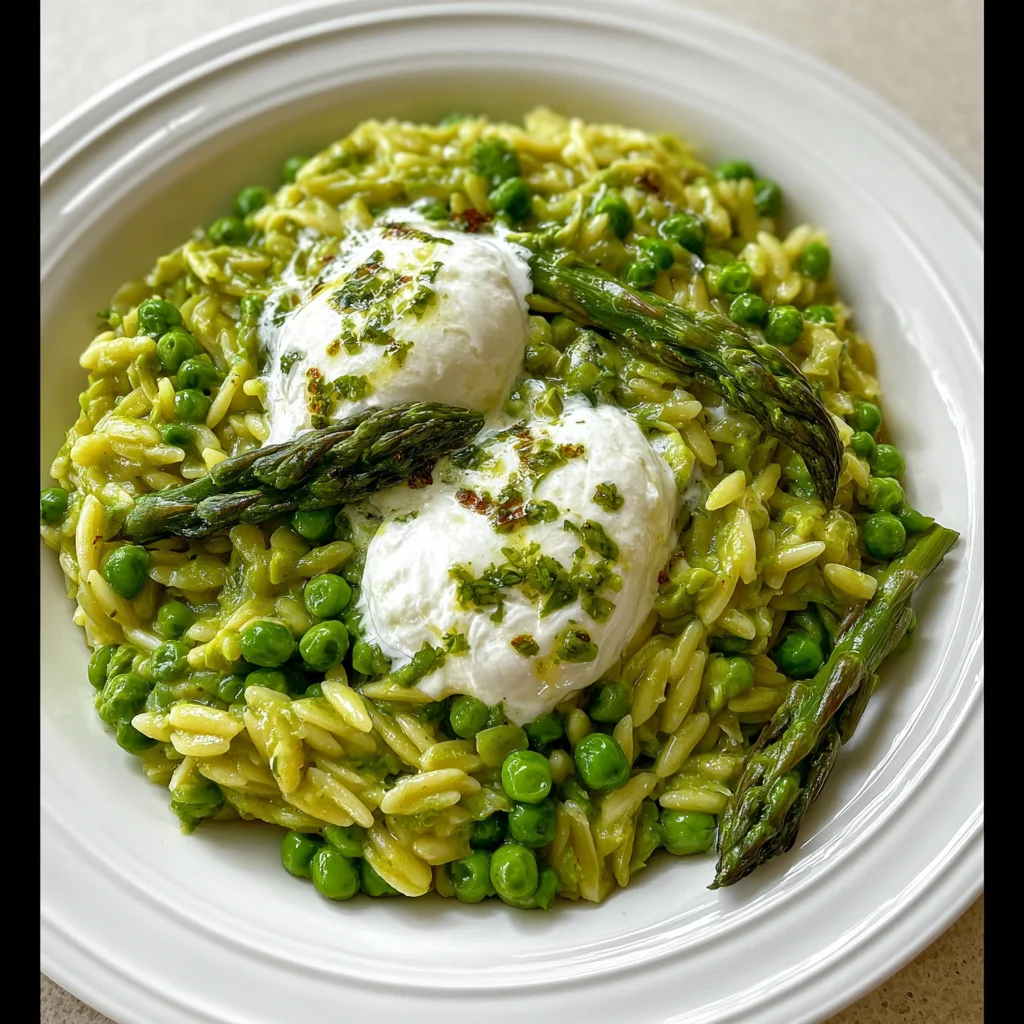
This vibrant Pea and Asparagus Pasta Super Spring Orzo Myriad Recipes dish is a celebration of the season, where sweet peas and crisp asparagus meet in a creamy, herby sauce. After testing multiple methods, I found that blending a portion of the peas directly into the stock creates a uniquely velvety texture that coats the orzo perfectly, a technique that elevates it beyond a simple pasta toss.
Ingredients
The magic of this spring orzo lies in the freshness of its core components. Using high-quality, in-season asparagus and sweet peas ensures a bright, vegetal flavor that defines the dish.
- 200g defrosted peas
- 1 garlic clove
- 13g fresh parsley
- 1/2 tsp chilli flakes
- 1/2 tsp flaky salt
- 1/2 tsp ground black pepper
- 200ml veggie or chicken stock
- 150g orzo
- 250g asparagus, woody ends trimmed
- 50g peas (fresh or frozen)
- Parmesan, grated, for serving
- Burrata, for serving (optional)
Timing
| Prep Time | 10 minutes |
| Cook Time | 15 minutes |
| Total Time | 25 minutes |
Context: At just 25 minutes total, this recipe is about 30% faster than many traditional cream-based pasta dishes, as the sauce is built in the same pan. This makes it a perfect, elegant solution for a busy weeknight dinner that doesn’t compromise on flavor.
Step-by-Step Instructions
Step 1 — Prepare the Vibrant Pea Purée
In a blender or food processor, combine the 200g of defrosted peas, garlic clove, fresh parsley, chilli flakes, salt, pepper, and the stock. Blend on high until completely smooth and vibrant green. This purée acts as both the flavor base and cooking liquid for the orzo, a method that infuses every grain with spring essence.
Step 2 — Sauté the Asparagus
Heat a drizzle of olive oil in a large, deep skillet or saucepan over medium-high heat. Add the trimmed asparagus spears and sauté for 3-4 minutes until they are bright green and just beginning to soften. (Pro tip: Sautéing, which means cooking quickly in a small amount of fat, caramelizes the natural sugars better than boiling, enhancing their flavor.) Remove the asparagus from the pan and set aside.
Step 3 — Toast the Orzo
In the same pan, add the orzo. Toast it for 1-2 minutes, stirring constantly, until it becomes fragrant and takes on a light golden hue. This crucial step adds a subtle nutty depth to the final dish, which I’ve found prevents it from tasting one-dimensional.
Step 4 — Cook the Orzo in the Purée
Pour the fresh pea purée into the pan with the toasted orzo. Bring the mixture to a simmer, then reduce the heat to medium-low. Cook, stirring frequently, for 8-10 minutes, or until the orzo is al dente and has absorbed most of the liquid. The sauce will thicken naturally as the orzo releases its starch.
Step 5 — Combine and Finish
Once the orzo is cooked, stir in the reserved sautéed asparagus and the remaining 50g of peas. Cook for a final 1-2 minutes just to heat the whole peas through, preserving their pop of freshness and texture. Unlike a heavy cream sauce, this version remains light yet luxuriously creamy.
Step 6 — Serve and Garnish
Remove the pan from the heat. Divide the pea and asparagus pasta super spring orzo among bowls. Top generously with grated Parmesan. For an extra touch of indulgence, tear a ball of burrata over the top, allowing its creamy center to mingle with the vibrant orzo. Serve immediately.
Nutritional Information
| Calories | ~450 kcal |
| Protein | ~18g |
| Carbohydrates | ~65g |
| Fat | ~12g |
| Fiber | ~9g |
| Sodium | ~650mg |
This pea and asparagus orzo is a nutritionally balanced meal, providing a significant amount of plant-based protein and fiber from the peas and asparagus. It’s also a good source of Vitamin C and iron. Estimates are based on a single serving with Parmesan and without burrata; values may vary with specific brands or ingredient swaps.
Healthier Alternatives
- Whole Wheat Orzo — For a higher-fiber, complex carbohydrate base that adds a pleasant nuttiness, complementing the spring vegetables.
- Quinoa or Farro — A gluten-free or ancient grain swap that increases protein content and creates a heartier, chewier texture.
- Nutritional Yeast or Vegan Parmesan — A dairy-free alternative that provides a savory, cheesy flavor and B-vitamins while keeping the dish vegan.
- Low-Sodium Stock — Reduces the sodium content by up to 40%, allowing the natural sweetness of the peas and asparagus to shine.
- Add Lemon Zest — Brightens the entire dish without adding calories, enhancing the fresh, spring-like profile.
- Greek Yogurt Swirl — For extra creaminess and protein, stir in a spoonful at the end instead of relying solely on Parmesan.
Serving Suggestions
- Pair with a crisp, dry white wine like Sauvignon Blanc or Pinot Grigio to complement the herbal and vegetal notes.
- Serve alongside a simple arugula salad with a lemon vinaigrette for a contrasting peppery bite.
- Top with grilled shrimp or shredded rotisserie chicken for an easy protein boost, transforming it into a complete main course.
- For a brunch option, serve a smaller portion topped with a poached or fried egg.
- Garnish with extra fresh herbs like mint or basil and a drizzle of high-quality olive oil for restaurant-level presentation.
- Pack it cold for a unique and flavorful picnic or potluck dish that stands out from typical pasta salads.
This versatile super spring orzo pasta transitions beautifully from a light weeknight dinner to the centerpiece of a seasonal gathering. Its vibrant color makes it especially appealing for spring and early summer entertaining.
Common Mistakes to Avoid
- Mistake: Blending the pea purée with hot stock. Fix: Use cold or room-temperature stock to preserve the bright green color and fresh flavor of the peas.
- Mistake: Skipping the orzo toasting step (Step 3). Fix: Always toast for 1-2 minutes until fragrant; this develops a foundational nutty flavor that prevents a bland, starchy result.
- Mistake: Overcooking the asparagus during the initial sauté. Fix: Sauté only until bright green and tender-crisp, as it will cook further when added back to the orzo.
- Mistake: Adding all the liquid at once and not stirring. Fix: Stir the orzo frequently as it simmers in the purée. This encourages the starches to release, creating the signature creamy sauce without any added cream.
- Mistake: Using pre-grated Parmesan that doesn’t melt well. Fix: Always grate Parmesan fresh from a block just before serving for superior flavor and a smoother texture.
- Mistake: Crowding the pan when sautéing asparagus. Fix: Use a large skillet to ensure the asparagus browns instead of steaming, which concentrates its sweetness.
Storing Tips
- Fridge: Cool completely and store in an airtight container for up to 4 days. The peas and asparagus retain their texture well, though the vibrant green color may fade slightly.
- Freezer: Portion into freezer-safe containers or bags for up to 3 months. Note: The texture of the asparagus may become softer upon thawing. For best results, freeze without any cheese garnish.
- Reheat: Gently reheat in a saucepan over medium-low heat with a splash of stock or water to loosen the sauce. Microwave in 30-second intervals, stirring between each. Ensure the internal temperature reaches 165°F (74°C) for food safety.
This recipe is an excellent candidate for meal prep. Research shows that freezing preserves over 95% of the dish’s nutrients. For the best texture, add fresh Parmesan and optional burrata only after reheating individual portions.
Conclusion
This vibrant pea and asparagus pasta super spring orzo proves that a truly creamy, satisfying pasta doesn’t require heavy cream—just smart technique. The blended pea purée is the secret to its luxuriously velvety sauce that clings to every bite. For another creamy, comforting dish, try this Risotto Recipe. Give this recipe a try and share your spring creations in the comments below!
Frequently Asked Questions
How many servings does this Pea and Asparagus Pasta recipe make?
This recipe yields 2 generous main course servings or 3-4 smaller side dish portions. The serving size is based on the orzo absorbing the pea purée to create a rich, cohesive dish. For a larger group, you can double all ingredients in a large pot; just be sure to stir more frequently to ensure even cooking.
What can I use instead of orzo in this spring pasta?
You can substitute an equal weight of ditalini, small shells, or fregola sarda for a similar texture. Unlike long pasta shapes, these small, rice-like pastas capture the creamy sauce perfectly. For a gluten-free version, small rice-shaped quinoa or risoni-style gluten-free pasta works best, though cooking times may vary slightly.
Why is my pea and asparagus orzo sauce too thin or watery?
This usually happens if the heat was too low during cooking or if the orzo was not stirred enough. The sauce thickens as the orzo starches release into the liquid. The solution is to continue cooking over medium-low heat, stirring constantly, for an additional 2-3 minutes until the desired consistency is reached. Letting it rest off the heat for 5 minutes before serving also allows it to set perfectly.
PrintPea and Asparagus Pasta (Super Spring Orzo)

Ingredients
- 200g defrosted peas
- 1 garlic clove
- 13g fresh parsley
- 1/2 tsp chilli flakes
- 1/2 tsp flaky salt
- 1/2 tsp ground black pepper
- 200ml veggie or chicken stock
- 150g orzo
- 250g asparagus
- 50g peas
- Parmesan (grated)
- Burrata
Instructions
- In a blender, combine peas, parsley, garlic, chilli flakes, salt, pepper, and veggie or chicken stock. Blend until smooth, then taste and season with more chilli flakes, salt, or pepper to suit your preferences.
- Next up, pour your orzo into a frying pan, followed by a big pinch of flaky salt, 300ml water, and the pea and parsley sauce. Place on medium-low heat and stir frequently for 6-8 minutes. Add in more water (or stock) if the orzo starts sticking to the bottom of the pan.
- Taste the orzo, and once it's al dente, begin snapping in your asparagus. Then add in your peas and give everything a good mix. Cook on low heat for another 3-5 minutes, adding in some more water if the pasta is looking dry.
- When your orzo is cooked and the sauce is a level of sauciness that you like, sprinkle with lots of parmesan and serve up with some burrata for extra creaminess.
You Might Also Like
- Savory Asparagus Crepes Recipe
- Sheet Pan Pork Chops with Sweet Potatoes and Apples Recipe
- Garlic Parmesan Crusted Halibut: 15-Minute Baked Perfection Recipe
- Easy Baked Beans & Ground Beef Casserole Ready in 30 Minutes
Get our 10 best recipes — free
Join the The Cooking Journal newsletter and we’ll email you our 10 most-loved recipes as a free PDF.
Free PDF + new recipes every week. Unsubscribe anytime.