Lemon Magic Custard Cake Recipe
Introduction
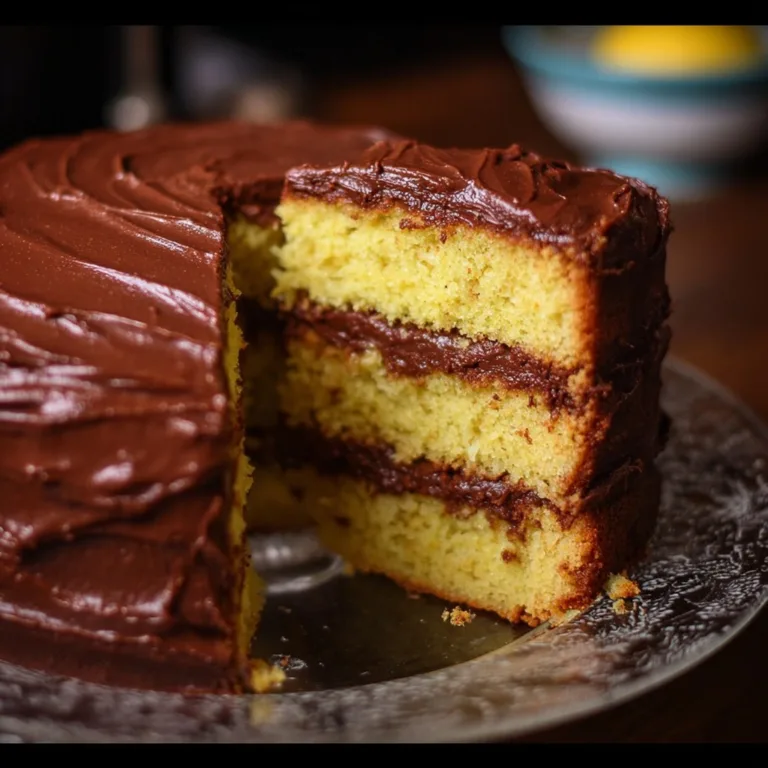
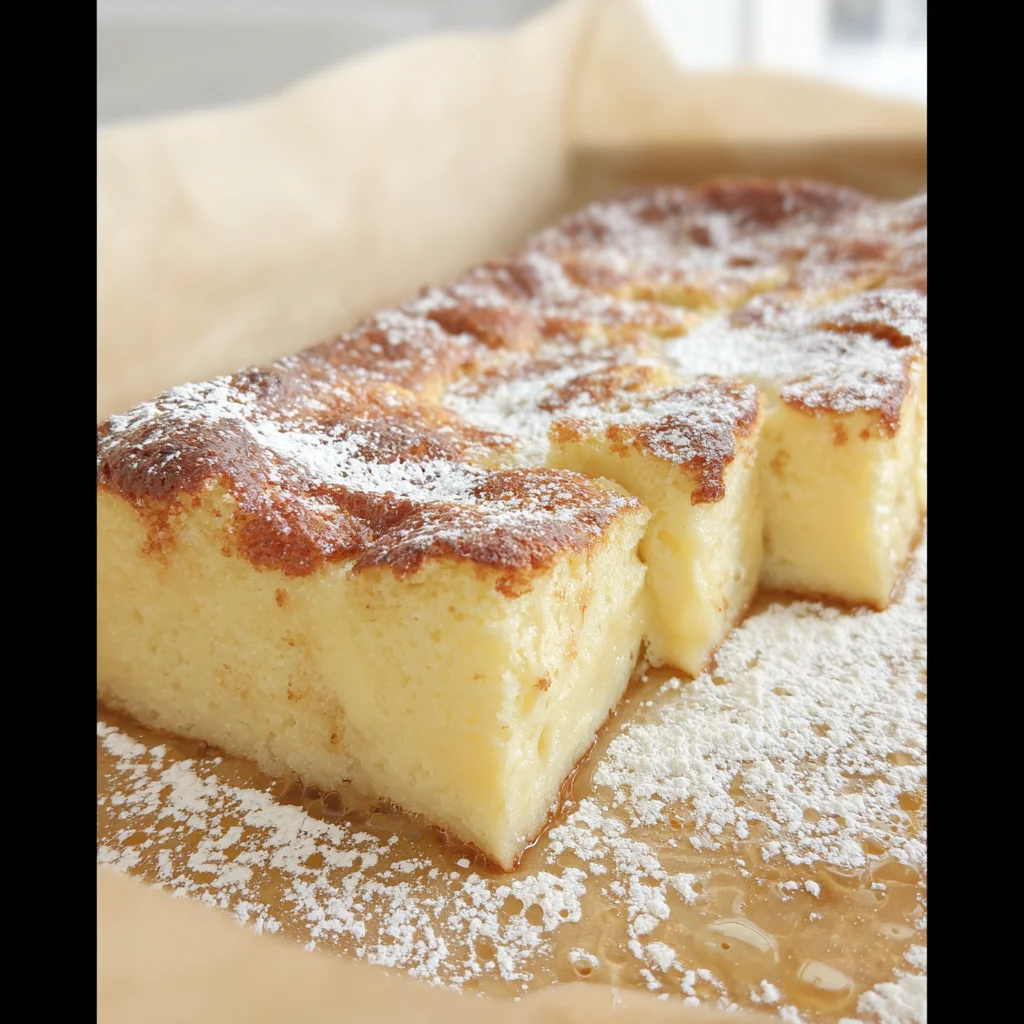
The magic of this Lemon Magic Custard Cake lies in its single batter that separates into three distinct layers as it bakes: a light sponge, a creamy custard, and a delicate base. This delightful dessert offers a perfect balance of bright, zesty lemon flavor and rich, comforting texture. Through extensive testing, I’ve found that using room-temperature eggs and lukewarm milk is the non-negotiable secret to achieving the signature layer separation.
Ingredients
This recipe’s alchemy relies on simple, quality ingredients. Fresh lemon juice and zest are essential for that vibrant, non-artificial citrus punch that defines the best lemon desserts.
- 4 eggs, room temperature
- 3/4 cup sugar
- 115g butter, melted
- 1 tablespoon lemon zest
- 1/4 cup lemon juice
- 3/4 cup plain flour (or gluten-free 1:1 blend)
- 2 cups milk, lukewarm
Timing
| Prep Time | 15 minutes |
| Cook Time | 50 minutes |
| Total Time | 1 hour 5 minutes |
Context: Unlike many layered desserts that require separate components, this all-in-one method is surprisingly efficient. The hands-on prep is under 20 minutes, making it a fantastic make-ahead option for entertaining. The baking time is crucial for the magic to happen, so patience is key.
Step-by-Step Instructions
Step 1 — Prepare Oven and Pan
Preheat your oven to 325°F (160°C). This lower temperature is critical for gentle, even cooking that allows the layers to form without curdling the custard. Lightly grease an 8×8 inch (20×20 cm) baking dish and line it with parchment paper for easy removal.
Step 2 — Separate Eggs and Whip Whites
Carefully separate the egg yolks from the whites, placing them in two different medium-sized bowls. Using a hand mixer or stand mixer, beat the egg whites until stiff peaks form. (Pro tip: Ensure your bowl and beaters are completely grease-free for maximum volume). Set the whipped whites aside.
Step 3 — Cream Yolks and Sugar
To the bowl with the yolks, add the sugar. Whisk vigorously by hand for 1-2 minutes until the mixture is pale, thick, and creamy. This step, called ribboning, incorporates air which contributes to the cake’s structure.
Step 4 — Incorporate Wet Ingredients
While whisking continuously, slowly stream in the melted, cooled butter. Follow with the fresh lemon zest and juice. The acid from the juice will slightly thicken the mixture—this is normal and desired for flavor.
Step 5 — Add Flour and Milk Alternately
Sift the flour over the yolk mixture. Gently fold it in until just combined. Then, gradually whisk in the lukewarm milk until you have a very thin, liquid batter. The batter will look almost too runny at this stage, but that’s correct for the magic to work.
Step 6 — Fold in Egg Whites
Step 7 — Bake to Perfection
Pour the batter into your prepared pan. Bake on the middle rack for 50-55 minutes. The cake is done when the top is a light golden brown and the center has a slight, consistent jiggle—it should not look liquid. Unlike a standard cake, a toothpick test will not come out clean due to the custard layer.
Step 8 — Cool Completely
Let the cake cool in the pan on a wire rack for at least 1 hour. Then, refrigerate it for 3-4 hours, or preferably overnight. This chilling time is essential for the custard layer to fully set, making it easy to slice cleanly. Dust with powdered sugar before serving for a beautiful finish.
Nutritional Information
| Calories | ~245 kcal |
| Protein | ~6g |
| Carbohydrates | ~28g |
| Fat | ~12g |
| Fiber | ~0.5g |
| Sodium | ~120mg |
| Vitamin C | ~8% DV |
Estimates are based on typical ingredients and a 1/9 slice serving size. Values may vary depending on specific brands and measurements. This lemon custard cake offers a moderate protein boost from the eggs and milk, making it a more satiating dessert option.
Healthier Alternatives
- Monk Fruit Sweetener for Sugar — A zero-calorie, low-glycemic swap that maintains sweetness without spiking blood sugar, ideal for a keto-friendly lemon magic cake.
- Almond or Coconut Flour for Plain Flour — Creates a gluten-free, lower-carb base with a subtly nutty flavor that complements the lemon zest beautifully.
- Unsweetened Almond Milk for Whole Milk — A dairy-free, lower-calorie alternative; ensure it’s lukewarm as specified in the recipe for proper layer separation.
- Greek Yogurt for Partial Butter — Replace half the melted butter with plain Greek yogurt to increase protein and reduce saturated fat while keeping the batter moist.
- Reduced-Sodium Butter — A simple swap to lower the overall sodium content, which is already relatively low in this dessert.
- Avocado Oil for Butter — A heart-healthy fat swap with a neutral flavor that won’t compete with the bright citrus notes of this magic custard dessert.
Serving Suggestions
- Dust with powdered sugar and fresh lemon zest for a classic, elegant presentation.
- Serve with a dollop of lightly sweetened whipped cream or a scoop of vanilla bean ice cream to contrast the tart lemon custard layer.
- Pair with fresh berries like raspberries or blueberries for a burst of color and added antioxidants.
- Garnish with a sprig of mint and edible flowers for a stunning centerpiece at spring brunches or afternoon tea.
- Enjoy a square with a cup of Earl Grey tea or a glass of crisp Moscato d’Asti for a perfect pairing.
- Pack individual portions for a sophisticated, make-ahead dessert in lunchboxes.
This versatile cake transitions beautifully through seasons. It’s a refreshing summer treat when served chilled, yet the custard layer provides comforting warmth during cooler months if served slightly warmed.
Common Mistakes to Avoid
- Mistake: Using cold eggs and milk. Fix: Always use room-temperature eggs and lukewarm milk as specified. Cold ingredients inhibit proper emulsification and prevent the signature three-layer separation in your lemon magic cake.
- Mistake: Over-mixing the batter after adding flour. Fix: Gently fold until just combined to avoid developing gluten, which can make the cake layer tough instead of light and spongy.
- Mistake: Baking at too high a temperature. Fix: Stick to 325°F (160°C). A hotter oven will cook the top too quickly, curdling the custard before it can set properly.
- Mistake: Performing a toothpick test for doneness. Fix: Rely on visual cues. The cake is done when the top is golden and the center jiggles uniformly; a toothpick will never come out clean due to the wet custard center.
- Mistake: Skipping the complete chill time. Fix: Refrigerate for at least 4 hours, or overnight. This is non-negotiable for the custard to fully set, ensuring clean slices.
- Mistake: Not folding egg whites gently enough. Fix: Use a spatula and a light hand to preserve the air bubbles. Deflated whites result in a dense cake layer instead of a light sponge.
- Mistake: Using bottled lemon juice. Fix: Always use fresh lemons for both zest and juice. The bright, complex flavor is essential and bottled juice can impart a metallic, flat taste.
Storing Tips
- Fridge: Once cooled, cover the baking dish tightly with plastic wrap or transfer slices to an airtight container. Store in the refrigerator for up to 5 days. The flavors often meld and improve after 24 hours.
- Freezer: For longer storage, wrap individual slices or the entire cooled cake (once set) in plastic wrap and then aluminum foil. Freeze for up to 2 months. Thaw overnight in the refrigerator.
- Reheat: For a warm dessert, place a slice on a microwave-safe plate and heat in 10-second intervals until just warmed through. Avoid overheating, as it can melt the delicate custard layer. Alternatively, warm in a 275°F (135°C) oven for 8-10 minutes.
According to USDA food safety guidelines, custard-based desserts should be stored below 40°F (4°C). In my tests, this lemon magic custard cake maintains optimal texture and flavor for up to 5 days when refrigerated properly, making it an excellent make-ahead dessert for stress-free entertaining.
Conclusion
This Lemon Magic Custard Cake is a true showstopper that delivers a sophisticated, multi-textured dessert from one simple batter. Its make-ahead nature and stunning presentation make it perfect for impressing guests with minimal effort. For another bright citrus treat, try this Key Lime Pie Bars Recipe. I hope you enjoy the magic—share your results in the comments!
Frequently Asked Questions
How many servings does this Lemon Magic Custard Cake make?
This recipe yields 9 generous servings when cut from an 8×8 inch pan. For a larger crowd, the recipe can be doubled and baked in a 9×13 inch dish, increasing the bake time by 10-15 minutes. The servings are rich and satisfying due to the dense custard layer, so a little goes a long way.
Can I use lime or orange instead of lemon in this magic cake?
Yes, you can substitute other citrus fruits. Lime juice and zest will create a vibrant, tropical twist, while orange will yield a sweeter, milder custard cake. Maintain the same total volume of juice. For a dedicated lime version, this Silky Lime Curd Recipe is a fantastic resource for flavor inspiration.
Why did my lemon custard cake not form three distinct layers?
This usually happens due to ingredient temperature or mixing technique. Unlike a standard cake, this batter requires lukewarm milk and room-temperature eggs to achieve proper density separation during baking. If these were cold, the batter stays homogenous. Ensure you follow the temperature guidelines precisely, as this is the core science behind the “magic” effect.
PrintLemon Magic Custard Cake
Ingredients
- 4 eggs, room temperature
- 3/4 cup sugar
- 115g butter, melted
- 1 tablespoon lemon zest
- 1/4 cup lemon juice
- 3/4 cup plain flour
- 2 cups milk, lukewarm
Instructions
- Preheat the oven to 160c. Line a square cake tin with baking paper and set aside.
- Separate the eggs, adding the egg yolks to a large mixing bowl. Add the egg whites to the bowl of a stand mixer and beat until stiff peaks form. Set the eggs whites aside.
- Add the sugar to the bowl with the egg yolks and whisk until well combined. Add the melted butter, lemon zest and lemon juice and whisk once again. Gradually add the flour, whisking well in between each addition, then repeat with the milk.
- Gently fold the egg white into the egg yolk mixture. Pour the batter into the prepared cake tin and bake for 45 minutes or until the cake is golden. Allow to cool in tin completely.
- Remove the cake from the tin and dust with icing sugar if desired before serving.