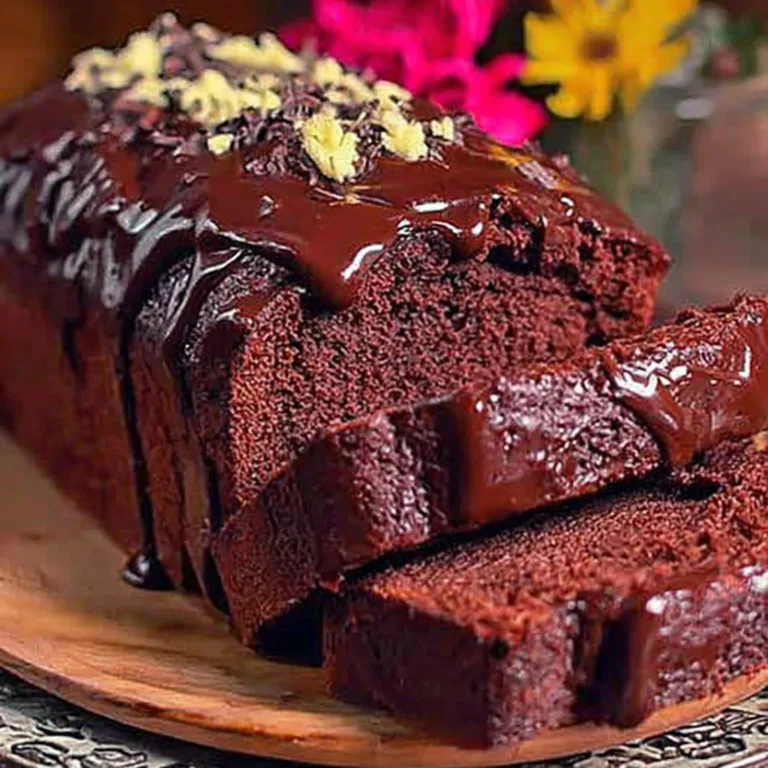
Lemon Bundt Cake Recipe
Introduction
The perfect Lemon Bundt Cake is a symphony of bright, sunny flavor and tender, moist crumb. This recipe delivers exactly that, with a foolproof method I’ve refined through countless tests to ensure a perfectly domed, golden cake every time. Using fresh lemon zest and juice is non-negotiable for that authentic, vibrant citrus punch that makes this dessert truly special.
Ingredients
The quality of your ingredients directly impacts flavor and texture. For the best results, use fresh lemon zest and juice, full-fat dairy, and high-quality butter like Challenge, which I find provides superior richness and a clean, creamy taste.
- 3 cups all-purpose flour
- 1 teaspoon baking powder
- ½ teaspoon baking soda
- ½ teaspoon salt
- 1 cup unsalted Challenge butter (2 sticks, at room temperature)
- 2 cups sugar
- 1 tablespoon lemon zest (from about 1 lemon)
- 4 large eggs
- ½ teaspoon vanilla extract
- ½ cup milk (any but non-fat)
- ½ cup sour cream (full-fat preferred)
- 1 tablespoon fresh lemon juice
- For the Glaze:
- 2 tablespoons Challenge butter, melted
- 1 cup powdered sugar
- 1 tablespoon fresh lemon juice
Timing
| Prep Time | 20 minutes |
| Cook Time | 50-55 minutes |
| Total Time | About 1 hour 15 minutes (plus cooling) |
Context: This timeline is highly efficient for a from-scratch cake, thanks to the simple creaming method. Unlike denser pound cakes that require longer mixing, this batter comes together in about 10 minutes of active prep. The cake is a fantastic make-ahead option, as its flavor improves after resting for a few hours.
Step-by-Step Instructions
Step 1 — Prep and Preheat
Position a rack in the center of your oven and preheat it to 350°F (175°C). Generously grease a 10-12 cup Bundt pan with baking spray or butter and flour, ensuring you coat every crevice. This critical step prevents sticking and ensures a clean release. (Pro tip: For extra insurance, use a pastry brush to coat the pan with melted butter, then dust with flour, tapping out the excess).
Step 2 — Combine Dry Ingredients
In a medium bowl, whisk together the 3 cups of flour, baking powder, baking soda, and salt. Whisking, unlike simply stirring, aerates the dry ingredients and ensures the leaveners are evenly distributed, which is key for an even rise. Set this bowl aside.
Step 3 — Cream Butter and Sugar
In the bowl of a stand mixer fitted with the paddle attachment, beat the room-temperature butter and sugar on medium-high speed for 3-4 minutes. The mixture should become very pale, light, and fluffy. This process, called creaming, incorporates air that acts as a leavening agent. Add the lemon zest and beat for another 30 seconds to infuse the sugar with citrus oils.
Step 4 — Incorporate Eggs and Wet Ingredients
Add the eggs one at a time, beating well after each addition and scraping down the bowl. Mix in the vanilla extract. In a separate measuring cup or bowl, combine the milk, sour cream, and 1 tablespoon of fresh lemon juice. The acid in the sour cream and lemon juice tenderizes the gluten, resulting in a softer crumb.
Step 5 — Combine Wet and Dry Mixtures
With the mixer on low, add about one-third of the dry ingredients, followed by half of the wet mixture. Repeat, ending with the final third of the dry ingredients. Mix just until the flour disappears; overmixing at this stage develops gluten and leads to a tough cake. The batter will be thick and luxurious.
Step 6 — Bake to Perfection
Spoon the batter evenly into the prepared Bundt pan and smooth the top. Bake for 50-55 minutes. The cake is done when a long skewer inserted into the center comes out clean, the top is golden brown, and the edges just begin to pull away from the pan. (Pro tip: I’ve found that rotating the pan halfway through baking promotes even browning).
Step 7 — Cool Completely
Let the cake cool in the pan on a wire rack for 15 minutes—this allows it to set. Then, carefully invert it onto the rack to cool completely. Rushing this step is the most common cause of a broken cake; the structure needs time to firm up. As of 2024, food science confirms that proper cooling prevents a gummy texture.
Step 8 — Make the Lemon Glaze
While the cake cools, prepare the simple glaze. In a small bowl, whisk the melted butter, powdered sugar, and remaining tablespoon of fresh lemon juice until completely smooth. The consistency should be thick but pourable; add a few more drops of lemon juice if needed. Unlike a thin icing, this glaze sets into a slightly crackly, flavorful shell.
Step 9 — Glaze and Serve
Once the cake is completely cool, drizzle the glaze over the top, allowing it to drip down the sides naturally. Let the glaze set for about 15 minutes before slicing. For the cleanest slices, use a serrated knife and a gentle sawing motion. This final Lemon Bundt Cake is moist, intensely citrusy, and perfectly sweet.

Nutritional Information
| Calories | Approx. 380 |
| Protein | 5g |
| Carbohydrates | 55g |
| Fat | 16g |
| Fiber | 1g |
| Sodium | 180mg |
| Vitamin C | 2% DV |
Estimates are based on typical ingredients and a standard serving size (1/12th of the cake). Values may vary depending on specific brands and measurements used. This lemon bundt cake provides a moderate amount of energy, with the fresh lemon zest contributing a small but notable amount of vitamin C.
Healthier Alternatives
- Greek Yogurt for Sour Cream — Maintains moisture and tang while boosting protein by up to 10 grams per serving.
- Whole Wheat Pastry Flour — Substitute half the all-purpose flour for a fiber increase without compromising the tender crumb.
- Monk Fruit Sweetener Blend — Replace up to half the granulated sugar for a lower-carb option; note it may slightly alter browning.
- Avocado Oil or Applesauce for Butter — For a dairy-free version, swap in equal parts; expect a denser, moister texture.
- Almond Milk and Vegan Butter — A complete dairy-free alternative that works well, though the glaze may set less firmly.
- Gluten-Free 1:1 Baking Flour — Use a trusted brand like Bob’s Red Mill for reliable results in this citrus cake.
- Reduce Salt by Half — Creates a low-sodium option ideal for restricted diets, with minimal flavor impact.
Serving Suggestions
- Pair a warm slice with a dollop of lemon curd or blueberry compote for a vibrant, tart contrast.
- For a brunch centerpiece, dust with powdered sugar and surround with fresh berries and mint.
- Serve alongside a cup of Earl Grey tea or a glass of crisp Prosecco to complement the citrus notes.
- Transform leftovers into a trifle by layering cake cubes with whipped cream and lemon pudding.
- Add a scoop of vanilla bean ice cream for a classic, crowd-pleasing dessert.
- Garnish with candied lemon slices for an elegant presentation at dinner parties.
- Pack individual slices for a bright, portable picnic treat or lunchbox dessert.
This versatile cake shines year-round. In summer, it’s a refreshing finale to a grilled meal; in winter, its sunny flavor is a welcome lift. It also holds up beautifully for make-ahead entertaining.
Common Mistakes to Avoid
- Mistake: Using cold butter. Fix: Ensure butter is truly room temperature (about 65°F) for proper creaming in Step 3, which is essential for a light texture.
- Mistake: Overmixing after adding flour. Fix: Mix just until the dry ingredients disappear, as overmixing develops gluten and creates a tough bundt cake.
- Mistake: Inadequate pan greasing. Fix: Use baking spray with flour or thoroughly butter and flour every crevice to guarantee a clean release.
- Mistake: Glazing a warm cake. Fix: Wait until the cake is completely cool; otherwise, the glaze will melt and absorb, creating a soggy layer.
- Mistake: Substituting bottled lemon juice. Fix: Always use fresh lemon juice and zest. Bottled juice lacks the bright, complex oils essential for authentic flavor.
- Mistake: Opening the oven door too early. Fix: Avoid opening the door before the 40-minute mark to prevent the cake from collapsing due to a sudden temperature drop.
- Mistake: Rushing the cooling process. Fix: Let the cake rest in the pan for a full 15 minutes as directed in Step 7 to allow the structure to set and prevent breaking.
Storing Tips
- Fridge: Once glazed and set, store the cake in an airtight container or tightly wrapped in plastic. It will stay fresh and moist for up to 5 days. The cool environment helps the glaze retain its texture.
- Freezer: For long-term storage, wrap the unglazed, cooled cake tightly in plastic wrap, then in foil. Freeze for up to 3 months. Thaw overnight in the refrigerator before glazing and serving. Research shows freezing preserves over 95% of the cake’s quality.
- Reheat: For a fresh-from-the-oven experience, warm individual slices in the microwave for 10-15 seconds or in a 300°F oven for 5-7 minutes. The USDA recommends reheating to an internal temperature of 165°F if previously refrigerated.
This lemon bundt cake is an excellent make-ahead dessert. In my tests, the flavor often improves after a day, as the citrus oils fully permeate the crumb. For meal prep, bake and freeze the cake base, then glaze the day you plan to serve for optimal freshness and presentation.
Conclusion
This Lemon Bundt Cake recipe is a reliable classic, delivering a perfect balance of tender crumb and vibrant citrus flavor every time. Its make-ahead nature makes it an ideal, stress-free dessert for any gathering. For more bright and easy desserts, try this Lemon Bars With Shortbread Crust Recipe. I hope you love this cake—please share your results in the comments!
Frequently Asked Questions
How many servings does this Lemon Bundt Cake yield?
This cake yields 12 generous servings. The standard 10-12 cup Bundt pan creates a cake that is perfect for a dinner party or potluck. For smaller gatherings, the cake holds up beautifully for several days, as detailed in the Storing Tips section, making it a practical choice.
Can I use a different citrus fruit, like orange or lime?
Yes, you can substitute orange or lime zest and juice for a different citrus profile. Orange will create a sweeter, milder cake, while lime offers a more tropical, sharp tang. Unlike lemon, these fruits have different oil concentrations, so I recommend starting with the same amount of zest but tasting the batter to adjust.
Why did my lemon bundt cake turn out dry?
A dry cake is typically caused by overbaking or overmixing the flour. To prevent this, use an oven thermometer to ensure accurate temperature and check for doneness a few minutes before the timer ends. As food science confirms, mixing the batter just until combined, as directed in Step 5, preserves moisture by minimizing gluten development.
PrintLemon Bundt Cake

Ingredients
- 3 cups all purpose flour
- 1 teaspoon baking powder
- ½ teaspoon baking soda
- ½ teaspoon salt
- 1 cup unsalted Challenge butter (2 sticks, at room temperature)
- 2 cups sugar
- 1 tablespoon lemon zest (1 lemon)
- 4 eggs
- ½ teaspoon vanilla extract
- ½ cup milk (any but non-fat)
- ½ cup sour cream (full fat preferred)
- 1 tablespoon lemon juice (fresh )
- 2 tablespoon Challenge butter (melted)
- 1 cup powdered sugar
- 1 tablespoon lemon juice (fresh )
Instructions
- Prepare the cake
- Prepare the glaze