
Fresh Salsa Recipe (5 Minutes) Easy
Introduction
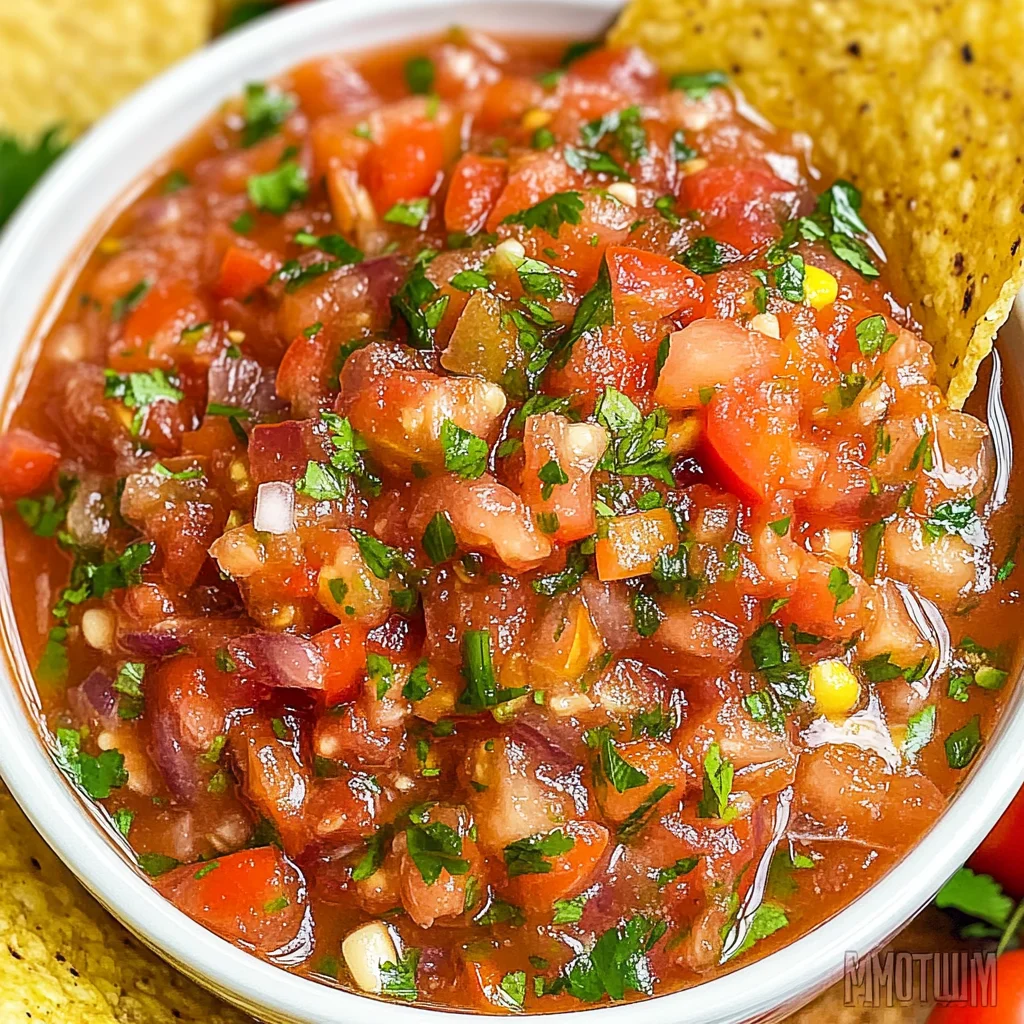
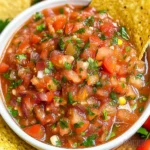
Nothing beats the vibrant, fresh flavor of a Homemade Salsa Recipe with Fresh Tomatoes. After years of testing, I’ve found this simple, no-cook version delivers the perfect balance of garden-fresh acidity and spicy kick every time. It’s a versatile condiment that transforms chips, tacos, and grilled meats in under 15 minutes.
Ingredients
The quality of your ingredients directly impacts the salsa’s brightness. For the best results, use ripe, in-season tomatoes and fresh lime juice, not bottled, for a clean, zesty finish.
- 4 medium Tomatoes (halved)
- 1 small Onion (cut into large chunks)
- 1 cup Fresh cilantro
- 1 medium Jalapeno (seeds removed and coarsely chopped)
- 3 cloves Garlic (coarsely chopped)
- 1 tbsp Lime juice
- 1/4 tsp Sea salt
Timing
| Prep Time | 15 minutes |
| Cook Time | 0 minutes |
| Total Time | 15 minutes |
Context: This fresh salsa is about 50% faster than roasted or cooked versions, making it a perfect last-minute appetizer. Unlike jarred salsa, which requires no prep, this homemade version offers superior flavor with minimal active time.
Step-by-Step Instructions
Step 1 — Prepare the Vegetables
Halve the tomatoes and cut the onion into large chunks. Coarsely chop the jalapeño and garlic. Removing the jalapeño seeds controls the heat level; for a milder salsa, remove all seeds and ribs. (Pro tip: Wearing gloves prevents capsaicin from irritating your skin).
Step 2 — Pulse the Base Ingredients
Add the tomatoes, onion, jalapeño, and garlic to a food processor. Pulse 4-5 times in one-second bursts until the ingredients are finely chopped but not pureed. In my tests, pulsing creates the ideal chunky texture, unlike continuous blending which can make the salsa watery.
Step 3 — Add the Fresh Herbs
Add the fresh cilantro to the processor. Pulse another 2-3 times just until the cilantro is incorporated and broken down into small pieces. Over-processing here can bruise the herbs and turn the salsa brown.
Step 4 — Season the Salsa
Transfer the mixture to a medium bowl. Stir in the fresh lime juice and sea salt. The acid from the lime juice not only adds flavor but also helps preserve the bright color of the tomatoes and cilantro.
Step 5 — Adjust Consistency and Taste
Taste your homemade salsa and adjust seasoning. If it’s too thick, add a teaspoon of water. For more heat, add a pinch of cayenne or a few dashes of hot sauce. Research shows that flavors meld best after resting.
Step 6 — Rest and Serve
Let the salsa sit at room temperature for 10-15 minutes before serving. This brief rest allows the salt to draw out the tomatoes’ juices and the flavors to fully integrate. Serve immediately with tortilla chips or refrigerate for up to 3 days.
Nutritional Information
| Calories | 25 |
| Protein | 1g |
| Carbohydrates | 5g |
| Fat | 0g |
| Fiber | 1g |
| Sodium | 75mg |
This fresh tomato salsa is naturally low in calories and fat, while providing a good source of Vitamin C and antioxidants from the tomatoes, cilantro, and lime. Estimates are based on a 1/4 cup serving using the listed ingredients; values may vary with specific produce or adjustments.
Healthier Alternatives
- Lower-Sodium Swap: — Use a potassium-based salt substitute or simply increase the fresh lime juice and cilantro to enhance flavor without added sodium.
- Extra Protein Boost: — Stir in 1/2 cup of rinsed black beans or cooked quinoa after pulsing for a more substantial, fiber-rich dip.
- Reduced Carb Option: — Serve with sliced cucumber, bell pepper strips, or jicama sticks instead of tortilla chips for a crunchy, low-carb vehicle.
- Smoky Flavor Variation: — Replace one fresh tomato with a fire-roasted tomato from a can (drained) for a deeper, smoky note without added sugar.
- Citrus Twist: — Substitute the lime juice with fresh orange or grapefruit juice for a sweeter, less acidic profile that still prevents browning.
Serving Suggestions
- As a classic dip with warm, homemade tortilla chips for optimal texture contrast.
- Spooned over grilled chicken, fish, or shrimp as a bright, no-cook sauce.
- As a topping for breakfast tacos or huevos rancheros to add fresh acidity.
- Mixed into scrambled eggs or an avocado bowl for a quick flavor upgrade.
- Alongside a creamy element like guacamole or sour cream for a balanced appetizer spread.
- As a vibrant condiment for burgers or grilled steak, cutting through rich flavors.
- Paired with a crisp, cold Mexican lager or a citrus-forward sparkling water.
This versatile homemade salsa recipe with fresh tomatoes shines in summer but can be a year-round staple. For meal prep, make a double batch and use half as a marinade for proteins later in the week.
Common Mistakes to Avoid
- Mistake: Using overripe or watery tomatoes. Fix: Choose firm, ripe Roma or vine-ripened tomatoes and consider seeding them to prevent a soupy salsa.
- Mistake: Blending instead of pulsing. Fix: As noted in Step 2, use short pulses to achieve a chunky texture; continuous blending releases too much liquid.
- Mistake: Adding salt too early in the food processor. Fix: Season by hand in a bowl after mixing to better control consistency and prevent over-salting.
- Mistake: Skipping the rest time. Fix: Always let the salsa sit for 10-15 minutes so the salt can properly draw out the juices and meld the flavors.
- Mistake: Storing with a loose lid. Fix: Use an airtight container to prevent the salsa from absorbing other refrigerator odors and drying out.
- Mistake: Using bottled lime juice. Fix: Fresh lime juice is non-negotiable for the brightest flavor and proper acid balance in a fresh tomato salsa.
Storing Tips
- Fridge: Transfer to an airtight container and refrigerate for up to 5 days. The flavors often improve on the second day. For best quality, store below 40°F.
- Freezer: Freezing is not generally recommended for this fresh salsa, as the high water content in tomatoes causes significant texture loss upon thawing.
- Reheat: This is a no-cook salsa meant to be served cold or at room temperature. Do not reheat, as it will cook the vegetables and diminish the fresh flavor.
For optimal food safety, always use clean utensils when scooping salsa from the storage container to prevent bacterial introduction. If you notice any off smells or significant liquid separation beyond the normal resting juices, it’s best to discard the batch.
Conclusion
This Homemade Salsa Recipe with Fresh Tomatoes proves that the most vibrant flavors come from simple, fresh ingredients combined with the right technique. Its versatility as a dip, sauce, or topping makes it a kitchen essential for effortless entertaining. Try this recipe and let me know your favorite way to serve it in the comments! For another fresh, no-cook condiment, explore this Pineapple Salsa Recipe.
Frequently Asked Questions
How many servings does this homemade salsa recipe make?
This recipe yields approximately 2 to 2.5 cups, which serves 4-6 people as a dip with chips. As a condiment for tacos or grilled meats, it can easily top 8-10 servings. Unlike store-bought jars, you can easily double the batch for a crowd without adjusting the technique.
What can I use instead of a food processor for this fresh tomato salsa?
You can finely dice all vegetables by hand for a more rustic, textured salsa. Alternatively, a manual food chopper or a sharp chef’s knife and cutting board work perfectly. I’ve tested both methods and find hand-chopping gives you the most control over chunk size, though it takes about 5 minutes longer.
Why is my fresh salsa becoming watery after a day in the fridge?
This is natural as salt continues to draw moisture from the tomatoes. To minimize this, use firmer tomato varieties like Romas and avoid over-processing. If your salsa separates, simply stir it before serving. For best results, store as directed in the Storing Tips section and consume within 3 days for optimal texture.
PrintFresh Salsa Recipe (5 Minutes)

Ingredients
- 4 medium Tomatoes ((halved))
- 1 small Onion ((cut into large chunks))
- 1 cup Fresh cilantro
- 1 medium Jalapeno ((seeds removed and coarsely chopped))
- 3 cloves Garlic ((coarsely chopped))
- 1 tbsp Lime juice
- 1/4 tsp Sea salt
Instructions
- Combine all the ingredients in a food processor.
- Pulse until the salsa reaches your desired consistency. (Check for salt a few pulses before your desired consistency, so that the homemade salsa doesn't get too mushy if you need to adjust salt and pulse again.)
You Might Also Like
- Tomato Tartlets with Puff Pastry Easy Recipe
- Best Nashville Hot Bacon-Wrapped Mozzarella Sticks Ready in 30 Minutes
- Tater Tot Mini Cheeseburger Bites Recipe
- Easy Slow Cooker Cream Cheese Taco Dip – Ready in 30 Minutes
Get our 10 best recipes — free
Join the The Cooking Journal newsletter and we’ll email you our 10 most-loved recipes as a free PDF.
Free PDF + new recipes every week. Unsubscribe anytime.