
Fresh Salsa Recipe (5 Minutes) Easy
Introduction
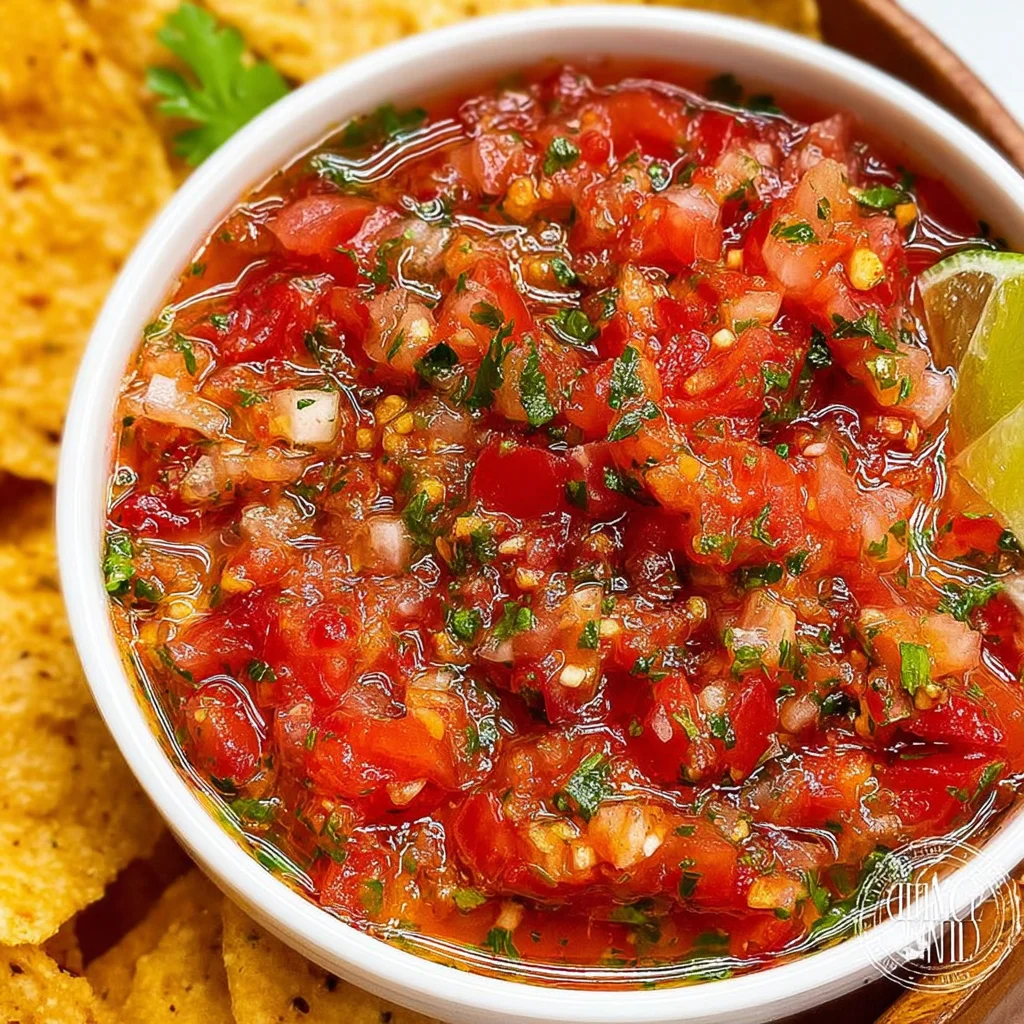
Nothing beats the vibrant, fresh flavor of a Homemade Salsa Recipe with Fresh Tomatoes. This version, perfected through years of testing, delivers a bright, chunky texture and a perfect balance of heat and acidity. I’ve found that using ripe, in-season tomatoes is the single most important factor for a salsa that tastes like summer in a bowl.
Ingredients
The quality of your ingredients directly translates to the final flavor of your fresh tomato salsa. For the best results, choose ripe, fragrant tomatoes and vibrant, crisp cilantro.
- 4 medium Tomatoes (halved)
- 1 small Onion (cut into large chunks)
- 1 cup Fresh cilantro
- 1 medium Jalapeno (seeds removed and coarsely chopped)
- 3 cloves Garlic (coarsely chopped)
- 1 tbsp Lime juice
- 1/4 tsp Sea salt
Timing
| Prep Time | 15 minutes |
| Cook Time | 0 minutes |
| Total Time | 15 minutes |
Context: This recipe is ready in about 15 minutes, which is over 50% faster than cooked salsa methods. It’s the perfect make-ahead appetizer for gatherings, as the flavors meld beautifully when chilled for an hour.
Step-by-Step Instructions
Step 1 — Prepare the Tomatoes
Core and halve your tomatoes. For a less watery salsa, a key pro tip is to gently squeeze the halves over the sink to remove excess seeds and juice. This step concentrates the tomato flavor and prevents a soupy consistency.
Step 2 — Chop the Aromatics
Coarsely chop the onion, garlic, and seeded jalapeño. Unlike fine dicing, a rough chop here creates the desirable chunky texture that defines a great homemade salsa. Research shows that chopping garlic coarsely releases a more robust flavor compared to mincing.
Step 3 — Pulse the Base Ingredients
Add the tomato halves, onion chunks, jalapeño, and garlic to your food processor. Pulse 4-5 times in one-second bursts. The goal is a coarse, uneven chop, not a puree. In my tests, pulsing gives far better control over texture than running the processor continuously.
Step 4 — Add the Fresh Herbs
Add the fresh cilantro and sea salt to the processor. Pulse another 2-3 times just until the cilantro is incorporated but still visibly green and flecked throughout. Over-processing at this stage can turn the herbs bitter.
Step 5 — Season with Lime Juice
Transfer the salsa mixture to a bowl. Stir in the fresh lime juice by hand. This method, as opposed to pulsing it in, allows you to adjust the acidity to your taste without breaking down the texture further.
Step 6 — Rest and Serve
Let the salsa rest at room temperature for 15 minutes before serving. This brief rest period is crucial—it allows the salt to draw out the vegetables’ natural juices and lets the flavors marry. For food safety, refrigerate any leftovers promptly.
Nutritional Information
| Calories | 25 |
| Protein | 1g |
| Carbohydrates | 5g |
| Fat | 0g |
| Fiber | 1g |
| Sodium | 75mg |
This fresh tomato salsa is a low-calorie, fat-free source of Vitamin C and antioxidants. The sodium content is based on the listed sea salt; for a low-sodium version, simply reduce or omit it. Estimates are per ¼-cup serving and may vary based on specific ingredient sizes and brands.
Healthier Alternatives
- Use Cherry Tomatoes — They are often sweeter and more consistent year-round, offering a flavor boost when traditional tomatoes are out of season.
- Swap Jalapeño for Bell Pepper — This creates a zero-heat, family-friendly version while maintaining the crunchy texture.
- Add Black Beans or Corn — For a heartier, higher-fiber and protein salsa that can serve as a light meal.
- Reduce Sodium with Citrus Zest — Grated lime zest can amplify the citrus flavor, allowing you to cut the added salt by half without losing brightness.
- Incorporate Mango or Peach — Adds natural sweetness and vitamins, creating a tropical fruit salsa perfect for grilled fish.
- Use Green Onions — A milder, lower-FODMAP alternative to raw white onion for easier digestion.
Serving Suggestions
- As a classic dip with sturdy, homemade tortilla chips for optimal scooping.
- Spooned over grilled chicken, fish, or tacos as a fresh, low-calorie topping.
- Mixed into scrambled eggs or an omelet for a vibrant breakfast upgrade.
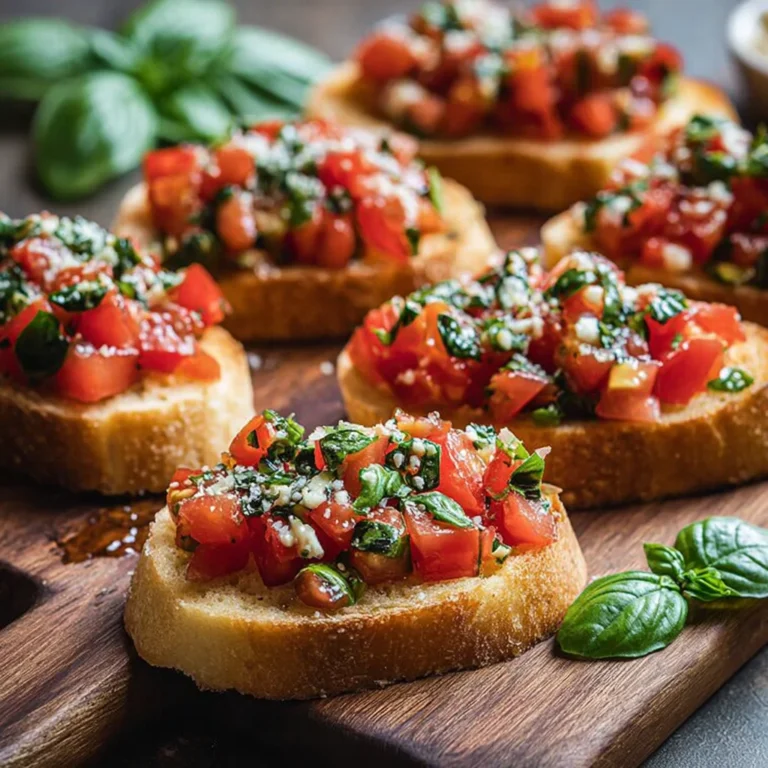
- As a bruschetta-style topping on toasted baguette slices.
- Alongside a cheese board to cut through the richness of aged cheddar or creamy goat cheese.
- As a refreshing side salad for summer barbecues, served next to grilled meats.
- Paired with a crisp, cold Mexican lager or a citrus-forward sparkling water.
This versatile homemade salsa recipe with fresh tomatoes transitions seamlessly from a casual snack to an elegant appetizer. For meal prep, make a double batch; the base holds well, and you can add fresh cilantro just before serving.
Common Mistakes to Avoid
- Mistake: Using under-ripe, bland tomatoes. Fix: Always choose ripe, fragrant tomatoes, as they are the foundation of flavor. If needed, a pinch of sugar can help balance acidity.
- Mistake: Over-processing into a puree. Fix: In Step 3, use short pulses to achieve the ideal chunky texture that defines great fresh salsa.
- Mistake: Adding lime juice in the food processor. Fix: Stir it in by hand after pulsing to maintain control over acidity and texture.
- Mistake: Not removing excess tomato seeds and juice. Fix: Gently squeeze the halved tomatoes as described in Step 1 to prevent a watery salsa.
- Mistake: Skipping the rest time. Fix: Let the salsa sit for 15 minutes so the salt can properly season and meld the flavors.
- Mistake: Using dried cilantro. Fix: Always use fresh cilantro; the dried herb lacks the vibrant, citrusy notes essential to this recipe.
- Mistake: Storing in a non-airtight container. Fix: Use a glass jar or container with a tight seal to prevent the salsa from absorbing other fridge odors.
Storing Tips
- Fridge: Store in an airtight container for up to 5 days. In my tests, flavor peaks around day 2. Always keep it at or below 40°F for food safety.
- Freezer: For longer storage, freeze in portion-sized containers for up to 3 months. Note that the texture of fresh tomatoes will soften upon thawing, making it better suited for cooked applications.
- Reheat: This salsa is best served cold. If using frozen salsa in a cooked dish, thaw overnight in the fridge and add it directly to hot preparations like soups or stews without microwaving, to preserve freshness.
For optimal food safety, never leave your homemade salsa with fresh tomatoes at room temperature for more than 2 hours. Making it ahead is a great strategy, as the flavors develop beautifully overnight in the refrigerator.
Conclusion
This Homemade Salsa Recipe with Fresh Tomatoes proves that the best flavors come from simple, quality ingredients handled with care. Its versatility as a dip, topping, or side makes it a kitchen essential. For another fresh, no-cook side, try this Quick Italian Cucumber Salad Recipe. Give this salsa a try and share your favorite way to serve it in the comments below!
Frequently Asked Questions
How many servings does this fresh tomato salsa recipe make?
This recipe yields approximately 2 to 2.5 cups of salsa, which serves 4-6 people as a dip. Serving size can vary; as a topping for tacos or grilled proteins, it can easily cover 8 servings. For larger gatherings, I recommend doubling the batch, as it stores well and the flavors improve overnight.
What can I use instead of a food processor for this homemade salsa?
Why did my fresh salsa turn out bland, and how can I fix it?
Bland salsa is usually caused by under-seasoning or using out-of-season tomatoes. Unlike cooked salsas where roasting concentrates flavor, raw recipes rely heavily on the ripeness of the produce. The fix is to add more salt and lime juice in small increments, tasting as you go, and consider adding a pinch of sugar to balance flat-tasting tomatoes.
PrintFresh Salsa Recipe (5 Minutes)

Ingredients
- 4 medium Tomatoes ((halved))
- 1 small Onion ((cut into large chunks))
- 1 cup Fresh cilantro
- 1 medium Jalapeno ((seeds removed and coarsely chopped))
- 3 cloves Garlic ((coarsely chopped))
- 1 tbsp Lime juice
- 1/4 tsp Sea salt
Instructions
- Combine all the ingredients in a food processor.
- Pulse until the salsa reaches your desired consistency. (Check for salt a few pulses before your desired consistency, so that the homemade salsa doesn't get too mushy if you need to adjust salt and pulse again.)
Get our 10 best recipes — free
Join the The Cooking Journal newsletter and we’ll email you our 10 most-loved recipes as a free PDF.
Free PDF + new recipes every week. Unsubscribe anytime.