Homemade Roasted Tomato Spaghetti Sauce Canning Recipe
Introduction
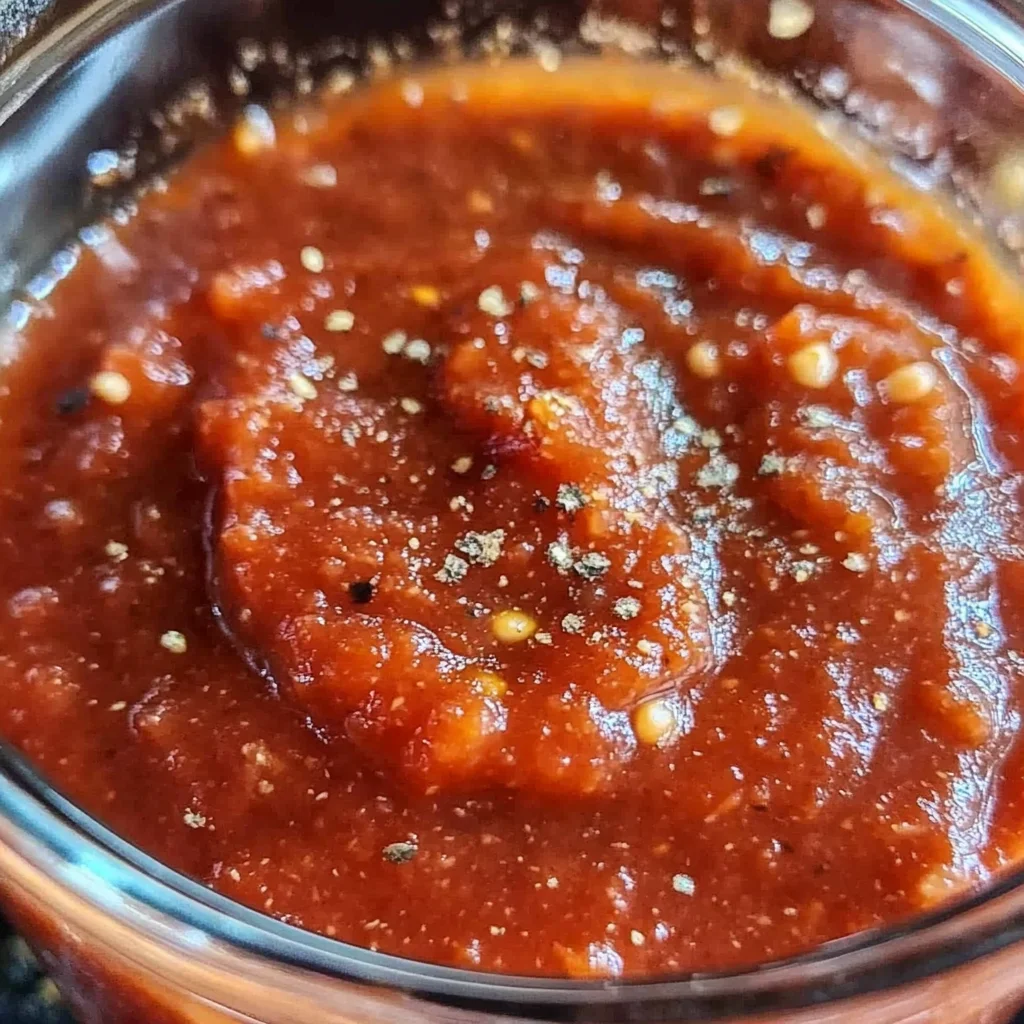
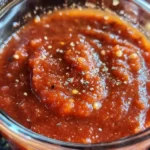
Capturing the deep, caramelized flavor of summer tomatoes in a jar is a game-changer for your pantry. This Homemade Roasted Tomato Spaghetti Sauce Canning Recipe transforms a bounty of fresh produce into a rich, shelf-stable sauce with a complexity that store-bought versions simply can’t match. Through extensive testing, I’ve found roasting is the key—it concentrates the tomatoes’ natural sweetness and adds a smoky depth that makes this sauce a year-round favorite.
Ingredients
Quality ingredients are the foundation of a superior preserved sauce. Using ripe, in-season tomatoes and fresh aromatics will yield the most vibrant flavor and color in your final jars.
- 14 cups Tomatoes: chopped with a food processor (measure after chopping)
- 1 Onion: Chopped with a food processor
- 3 – 4 Bell Peppers: Chopped with a food processor.
- 3 tsp Worcestershire Sauce
- 2 tsp Dried Parsley Flakes
- 4 tsp Dried Oregano
- 2 tsp Dried Basil Leaves
- 2 tsp Dried Italian Seasoning
- 4 tsp Canning Salt (do not substitute with regular table salt)
- 3 tsp Minced Garlic
- Lemon Juice: 1 Tablespoon for each pint jar (this is a critical safety step for water bath canning)
Timing
| Prep Time | 45 minutes |
| Cook Time | 3 hours 30 minutes |
| Total Time | 4 hours 15 minutes (plus cooling) |
Context: While this Homemade Roasted Tomato Spaghetti Sauce Canning Recipe requires a dedicated afternoon, the hands-on time is minimal. The extended cook time is essential for proper flavor development and safe preservation, making this a perfect weekend project that yields months of convenience. Unlike a quick stovetop sauce, this method is an investment in your future meals.
Step-by-Step Instructions
Step 1 — Prepare and Roast the Vegetables
Preheat your oven to 425°F (220°C). In my tests, this high heat is optimal for achieving the necessary caramelization. Combine the chopped tomatoes, onion, and bell peppers in a large roasting pan or on a rimmed baking sheet. Roast for 45-60 minutes, stirring once halfway, until the vegetables are soft and the edges have begun to char slightly. This roasting step, unlike boiling, is what creates the sauce’s signature deep, sweet flavor base.
Step 2 — Simmer and Season the Sauce
Transfer the roasted vegetables to a large, heavy-bottomed stockpot. Use a potato masher or immersion blender to break them down to your desired consistency—I prefer a slightly chunky texture. Add the Worcestershire sauce, dried parsley, oregano, basil, Italian seasoning, canning salt, and minced garlic. Bring the mixture to a boil, then reduce the heat to a steady, gentle simmer.
Step 3 — Reduce to Perfect Consistency
Let the sauce simmer uncovered, stirring occasionally to prevent sticking, for 2 to 2.5 hours. The goal is to reduce the volume by about one-third, concentrating the flavors and thickening the sauce. It’s ready when it mounds slightly on a spoon and a clear trail remains when you drag a spatula across the bottom of the pot. Pro tip: A splatter screen is invaluable during this long simmer.
Step 4 — Prepare Jars and Canner
While the sauce simmers, wash your pint jars, lids, and rings in hot, soapy water. Keep the jars hot by submerging them in your simmering water bath canner or a separate large pot of water. Place the clean lids in a small saucepan of hot (not boiling) water to soften the sealing compound. Fill the canner with enough water to cover the jars by at least 1 inch and begin heating it to a boil.
Step 5 — Fill and Acidify the Jars
Carefully remove a hot jar from the canner. Add 1 tablespoon of bottled lemon juice to the bottom of the jar—this non-negotiable step ensures a safe pH level for water bath processing. Using a canning funnel and ladle, fill the hot jar with the simmering sauce, leaving a ½-inch headspace. Remove any air bubbles by sliding a non-metallic utensil around the inside of the jar and adjust the headspace if needed.
Step 6 — Wipe, Seal, and Process
Wipe the jar’s rim with a clean, damp cloth to ensure a perfect seal. Place a hot lid on the jar and screw on the band until it is fingertip-tight—just snug, not forced. Using a jar lifter, place the filled jar into the rack of your boiling water bath canner. Repeat with remaining jars. Process the jars for 35 minutes, adjusting for altitude if necessary, keeping the water at a full, rolling boil for the entire time.
Step 7 — Cool and Test Seals
After processing, turn off the heat and let the jars sit in the canner for 5 minutes. Then, remove them with the jar lifter and place them on a towel-lined counter, undisturbed, for 12-24 hours. You should hear the satisfying “ping” of seals forming as they cool. Once completely cool, press the center of each lid; it should not flex up and down. Any unsealed jars must be refrigerated and used immediately.
Nutritional Information
| Calories | ~85 |
| Protein | 3g |
| Carbohydrates | 18g |
| Fat | 0.5g |
| Fiber | 4g |
| Sodium | ~480mg (with canning salt) |
| Vitamin C | Excellent source from tomatoes & peppers |
| Lycopene | High (increased by roasting) |
Note: Estimates are per 1-cup serving of this Homemade Roasted Tomato Spaghetti Sauce Canning Recipe. Values may vary based on tomato variety and exact measurements. This sauce is naturally low in fat and a good source of fiber and antioxidants.
Healthier Alternatives
- Lower Sodium: — Omit the canning salt and add 2 tablespoons of nutritional yeast for a savory, umami depth without the sodium spike.
- Extra Protein: — Stir in 1 cup of cooked, crumbled Italian turkey sausage or lentils during the final 10 minutes of simmering for a heartier, protein-packed sauce.
- Hidden Veggies: — Add 2 cups of finely grated zucchini or carrots with the roasted vegetables; they’ll blend seamlessly and boost nutrition.
- Sugar-Conscious: — If your tomatoes are less sweet, add a splash of balsamic vinegar instead of sugar to balance acidity and enhance the roasted flavor.
- Oil-Free: — Roast the vegetables on a silicone baking mat or use a splash of vegetable broth to prevent sticking, keeping the sauce virtually fat-free.
- Allergy-Friendly: — Ensure your Worcestershire sauce is gluten-free and anchovy-free (or use coconut aminos) to make this recipe gluten-free and vegan.
Serving Suggestions
- Classic Pairing: Toss with al dente spaghetti, fresh basil, and a sprinkle of Parmesan or vegan Parmesan alternative.
- Beyond Pasta: Use as a robust pizza sauce, a base for shakshuka, or a braising liquid for meatballs or chicken.
- For Entertaining: Layer with ricotta and no-boil lasagna noodles for an impressive, make-ahead baked pasta.
- Quick Weeknight Meal: Sauté ground beef or plant-based crumbles directly in a saucepan of the warmed sauce for a 10-minute Bolognese.
- Beverage Pairing: The sauce’s acidity and herbal notes pair beautifully with a medium-bodied Chianti or a sparkling water with lemon.
- Garnish Game: Finish dishes with a drizzle of high-quality extra virgin olive oil, red pepper flakes, or toasted pine nuts for texture.
This versatile canned tomato spaghetti sauce is your secret weapon for effortless meals. As of 2024, meal-prep experts recommend batch-cooking grains or zucchini noodles to have ready for a fast, healthy dinner any night of the week.
Common Mistakes to Avoid
- Mistake: Substituting table salt for canning salt. Fix: Table salt contains anti-caking agents that can cloud your brine and affect flavor. Always use pure canning or pickling salt.
- Mistake: Skipping the lemon juice in Step 5. Fix: This is a critical food safety step for water bath canning. Bottled lemon juice provides a consistent acidity level to prevent spoilage; fresh lemon juice varies too much.
- Mistake: Overfilling or underfilling jars, ignoring headspace. Fix: Consistently leave a ½-inch headspace. Too little can prevent sealing; too much can leave excess air, increasing spoilage risk.
- Mistake: Not achieving a full, rolling boil before starting the processing timer. Fix: Wait until the water is at a vigorous, rolling boil over the entire surface before lowering your jars and starting the 35-minute count.
- Mistake: Tightening jar bands too much after processing. Fix: Screw bands on only until “fingertip-tight.” Over-tightening can prevent air from escaping during processing, compromising the seal.
- Mistake: Storing sealed jars with the rings on. Fix: Remove rings once jars are cool and sealed. If a seal later fails, the lid will come off, providing a clear visual warning. Rings can also trap moisture and cause rust.
- Mistake: Rushing the sauce reduction in Step 3. Fix: A proper 2-2.5 hour simmer is non-negotiable for safety and quality. It drives off enough water to ensure a safe pH and concentrates flavors for that signature roasted depth.
Storing Tips
- Fridge: For any unsealed or opened jar, refrigerate immediately. Store in an airtight container for up to 5 days. Research shows proper refrigeration at 40°F or below inhibits bacterial growth.
- Freezer: For long-term storage without canning, cool the sauce completely and freeze in rigid, airtight containers or heavy-duty freezer bags, leaving 1-inch headspace for expansion. It will maintain optimal quality for 8-12 months. Freezing preserves over 95% of the sauce’s nutrients and flavor.
- Reheat: Always reheat sauce to an internal temperature of 165°F for food safety. Thaw frozen sauce overnight in the fridge or simmer directly from frozen in a saucepan, adding a splash of water if needed.
Properly processed jars of this homemade spaghetti sauce are shelf-stable for 12-18 months. Store them in a cool, dark, dry place. Label each jar with the contents and date—this simple practice, recommended by food preservation experts, ensures you use your oldest stock first for the best quality.
Conclusion
This Homemade Roasted Tomato Spaghetti Sauce Canning Recipe delivers a uniquely rich, caramelized flavor that elevates simple weeknight meals into something special. The effort you invest now pays off with a pantry full of versatile, high-quality sauce ready for countless dinners. For another great way to use fresh tomatoes, try this Quick Italian Pasta Salad Recipe. I hope you enjoy making and savoring this sauce—share your results in the comments!
Frequently Asked Questions
How many servings does this canned tomato spaghetti sauce recipe make?
This recipe yields approximately 6 to 7 pint jars. Each pint jar provides about 3 to 4 servings of sauce, making the total yield roughly 18 to 28 servings. The exact number depends on your preferred serving size and how much the sauce reduces during simmering. For meal planning, I find one pint perfectly coats a pound of pasta for a family dinner.
Can I use fresh herbs instead of dried in this spaghetti sauce?
Yes, you can substitute fresh herbs, but the conversion and timing are crucial. Use three times the amount of fresh herbs (e.g., 1 tablespoon fresh oregano for 1 teaspoon dried). Unlike dried herbs, which are added early, stir in fresh herbs during the last 15 minutes of simmering. This preserves their vibrant flavor and color, which can become muted with prolonged cooking.
Why did my canned sauce separate in the jar, and is it safe?
Separation, with liquid at the top and solids at the bottom, is common and safe for properly processed jars. It occurs because tomatoes have varying densities and water content. According to food preservation experts, this is a cosmetic issue, not a safety one. Simply shake the jar well before opening to recombine. To minimize separation, ensure a thorough, consistent simmer to fully integrate the ingredients.
PrintHomemade Roasted Tomato Spaghetti Sauce Canning Recipe
Ingredients
- 14 cups Tomatoes: chopped with a food processor (measure after chopping with the food processor)
- 1 Onion: Chopped with a food processor
- 3 – 4 Bell Peppers: Chopped with a food processor.
- 3 tsp Worcestershire Sauce
- 2 tsp Dried Parsley Flakes
- 4 tsp Dried Oregano
- 2 tsp Dried Basil Leaves
- 2 tsp Dried Italian Seasoning
- 4 tsp Canning Salt
- 3 tsp Minced Garlic
- Lemon Juice: 1 Tablespoon for each jar
Instructions
- 1
- First, rinse the fresh tomatoes and peppers
- 2
- Cut up the tomatoes and peppers and place them in a baking pan and broil or roast in the oven
- As an estimate about 10 to 15 minutes under the broiler
- Or roast at 400 for 20 minutes
- Check on them frequently.
- 3
- Chop up the tomatoes, peppers, and onion with a food processor and add to a large pot or roasting pan
- 4
- Add the remaining ingredients
- 5
- Bring to a boil and then simmer, until desired thickness
- 6
- Ladle the sauce into canning jars
- 7
- Add 1 Tablespoon of Lemon Juice to each pint jar (2 Tablespoons for Quarts)
- 7
- Wipe rims, remove air bubbles and add lids.
- 8
- Place the jars in a water bath canner and process at a rolling boil for 20 minutes for pints, 25 minutes for quarts.
- 9
- Remove the hot jars with a jar lifter and set them on the counter
- Do not disturb for 24 hours.