
Graziers Raw Milk Cheese Recall: E. coli Outbreak Sickens 13 in 9 States
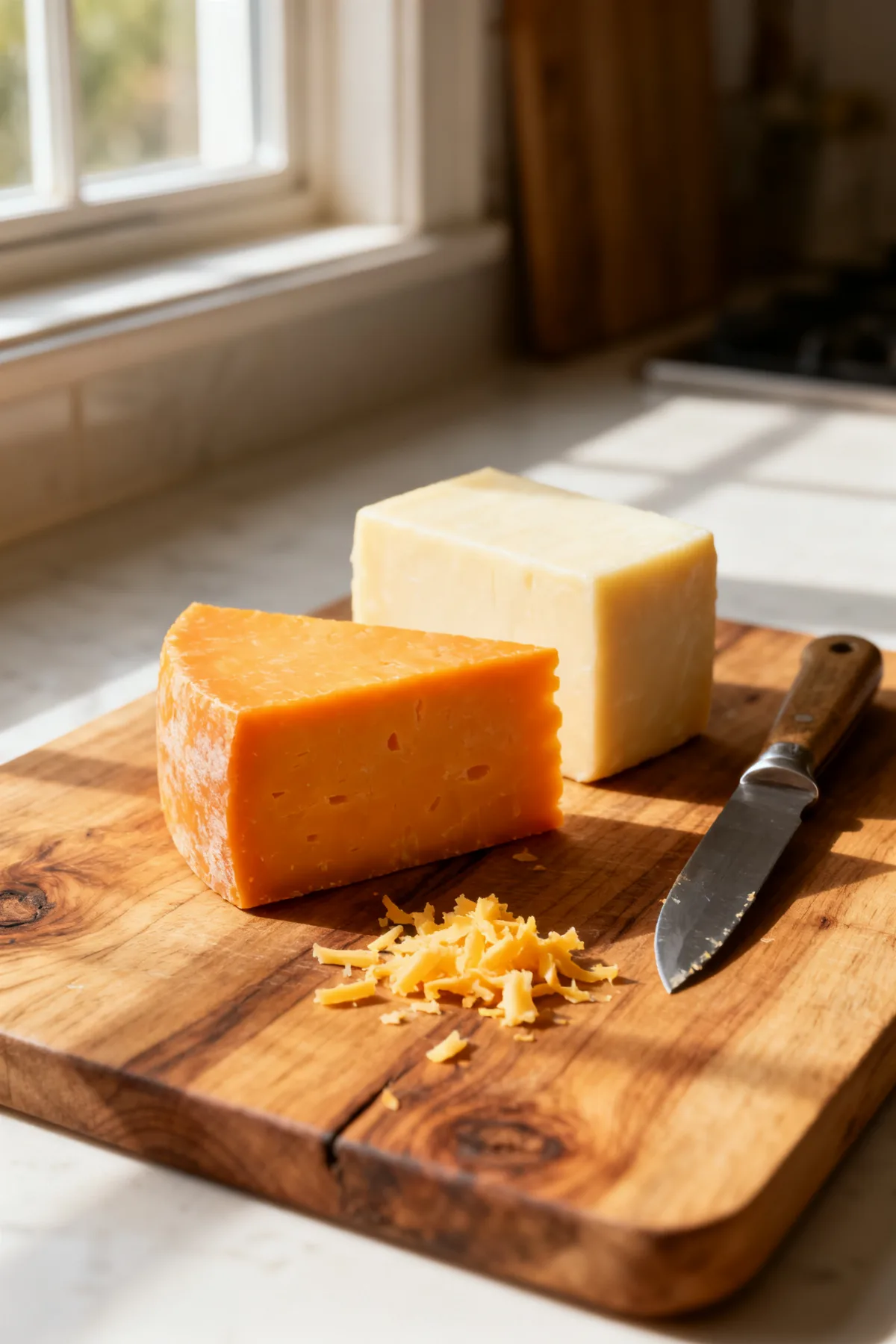
I keep a block of raw milk cheddar in the fridge more often than I probably should admit, so this recall landed close to home. Sierra Nevada Cheese Company has pulled every Graziers Raw Milk Cheese it has in distribution after federal investigators linked the brand to an E. coli outbreak that has made 13 people sick across nine states. Eight of them were hospitalized. Here is exactly what is covered, and what to do if one of those cheddar bricks is sitting in your cheese drawer right now.
What Sierra Nevada Cheese Company recalled
The Willows, California creamery announced the voluntary recall on September 28, and the FDA posted the notice publicly on September 29. It covers all Graziers Raw Milk Cheese currently in distribution, in four varieties:
- Graziers Raw Milk Medium Cheddar
- Graziers Raw Milk Sharp Cheddar
- Graziers Raw Milk Jalapeño Jack
- Graziers Raw Milk Monterey Jack
The formats run from 8-ounce squares and 16-ounce bricks sold at retail all the way up to 5-pound loaves and 40-pound blocks sold to wholesalers, food service accounts and direct customers. The UPCs in the notice span 6-87652-16400-9 through 6-87652-16507-5. Distribution was nationwide, including online orders.
Why there are no lot numbers to check
Most recalls come with a tidy list of date codes, and you can rule yourself out in ten seconds. Not this one. The company says the investigation “has not been narrowed to a specific lot, date code, or production date,” so it is recalling everything out there as a precaution.
That is more serious, but it is also simpler for shoppers: if the label says Graziers Raw Milk Cheese, it is included. The part I would not overlook is the bulk format. Those 5-pound loaves and 40-pound blocks go to delis and restaurant kitchens, where cheese gets cut, shredded or melted into something that never carries the original brand label. If you buy cheddar or jack cut to order from a counter, it is worth asking what brand it came from.
The outbreak: 13 sick, 8 hospitalized, 3 kidney complications
The FDA announced the outbreak investigation on September 24, working with the CDC and state health departments. The strain is E. coli O26:H11, one of the Shiga toxin-producing E. coli types that public health agencies take most seriously.
As of the FDA’s September 25 update, the count stood at 13 confirmed illnesses in California, Colorado, Georgia, Kentucky, Michigan, Nevada, Oregon, Tennessee and Utah. Eight people were hospitalized and three developed hemolytic uremic syndrome, a type of kidney failure. No deaths have been reported. Illness onset dates run from July 7 through August 26, which tells you this had been quietly building for weeks before anyone connected the dots.
The detail that stopped me cold, reported by TODAY: more than half the confirmed cases are children age 5 or younger. Small kids are exactly the group most likely to progress to the kidney complications.
Symptoms, and the timing that trips people up
Shiga toxin-producing E. coli does not usually hit within hours like a classic bad-restaurant stomach bug. Symptoms can start a few days after eating the food and show up as late as about nine days later, which is long enough that most people never link it back to a cheese plate.
What to watch for: severe stomach cramps, diarrhea that is often bloody, fever, nausea and vomiting. The FDA’s advice is to get medical attention if you develop those symptoms after eating the recalled cheese, and to mention the exposure to your doctor so the right test gets ordered.
What to do if it is in your fridge
- Do not eat it or serve it. And do not try to cook your way out of it. The FDA is telling people to get rid of the product, not to melt it and hope.
- Return it for a refund at the place you bought it, or throw it away.
- Clean and sanitize any surfaces, cutting boards, knives and containers the cheese touched, plus the shelf it sat on. This is the step everyone skips.
- Questions? Sierra Nevada Cheese Company is taking calls at (530) 934-8662, Monday through Friday, 8:30 a.m. to 5:00 p.m. Pacific, and emails at recallinfo@sierranevadacheese.com.
The cheese dishes I am leaning on this week
One thing worth being clear about: this is a raw milk cheese recall. The ordinary pasteurized block cheddar in the dairy case is not part of it, and neither is pre-shredded supermarket jack. So I have not stopped cooking with cheese, I have just moved back to the pasteurized stuff for a couple of weeks while this plays out.
If you want somewhere for a pound of ordinary sharp cheddar to go, my smoky chipotle cheddar bacon mac and cheese is the one I make when I want the fridge cleared out and nobody complaining. For something faster, the sourdough pesto grilled cheese takes about ten minutes and uses whatever semi-firm cheese you have open.
Raw milk cheese has real character that pasteurized versions struggle to match, and I am not going to pretend otherwise. But with eight hospitalizations and three cases of kidney failure already attached to this one brand, sitting it out for a few weeks is an easy call.
Sources
- FDA — Sierra Nevada Cheese Company Recalls Graziers Raw Milk Cheese Because of Possible Health Risk (company announcement September 28, 2026)
- FDA — Outbreak Investigation of E. coli O26:H11: Raw Milk Cheese (September 2026)
- TODAY — Cheese Recalled Amid E. Coli Outbreak in 9 States: See Full List
Get our 10 best recipes — free
Join the The Cooking Journal newsletter and we’ll email you our 10 most-loved recipes as a free PDF.
Free PDF + new recipes every week. Unsubscribe anytime.