
Balsamic Glazed Roasted Vegetables Easy Recipe
Introduction
This Balsamic Glazed Roasted Vegetables Recipe transforms humble roots and sprouts into a stunning, caramelized side dish. The sweet-tart glaze, a personal favorite developed through extensive testing, clings perfectly to each roasted piece, creating a complex flavor profile that far surpasses simple steaming. This method remains my top recommendation for achieving restaurant-quality vegetables with minimal hands-on effort.
Ingredients
Quality ingredients are key for the best caramelization. Fresh, firm vegetables and a good, aged balsamic vinegar will yield a richer, more syrupy glaze that defines this dish.
- 2 cups of Brussels sprouts, halved
- 2 cups of carrots, sliced
- 2 cups of bell peppers, chopped
- 1 cup of red onion, sliced
- 1/4 cup of balsamic vinegar
- 2 tablespoons of olive oil
- 1 tablespoon of honey or maple syrup (for a vegan option)
- Salt and pepper to taste
Timing
| Prep Time | 15 minutes |
| Cook Time | 25-30 minutes |
| Total Time | 40-45 minutes |
Context: The streamlined process makes it a perfect, hands-off option for busy weeknights, as the oven does most of the work while you prepare the rest of your meal.
Step-by-Step Instructions
Step 1 - Preheat and Prepare
Preheat your oven to 425°F (220°C). This high heat is crucial for proper roasting, which, unlike boiling, caramelizes the natural sugars in the vegetables. While the oven heats, wash and thoroughly dry all produce. (Pro tip: Dry vegetables roast better, leading to superior browning instead of steaming.)
Step 2 - Combine Vegetables
In a large mixing bowl, combine the halved Brussels sprouts, sliced carrots, chopped bell peppers, and sliced red onion. Cutting vegetables to a uniform size ensures even cooking, so I always aim for 1 to 1.5-inch pieces.
Step 3 - Create the Glaze
In a small bowl or measuring cup, whisk together the balsamic vinegar, olive oil, and honey (or maple syrup). In my tests, a 2:1 ratio of vinegar to oil creates the ideal clingy consistency for a balsamic glaze that won’t burn.
Step 4 - Coat and Season
Pour the balsamic glaze mixture over the vegetables. Using your hands or a large spoon, toss everything until the vegetables are evenly and generously coated. Season liberally with salt and pepper. Season at this stage to draw out moisture and enhance flavor from within.
Step 5 - Arrange and Roast
Spread the coated vegetables in a single layer on a large, rimmed baking sheet. Avoid overcrowding, as this causes steaming. Roast in the preheated oven for 15 minutes. This initial high-heat blast begins the caramelization process.
Step 6 - Toss and Finish Roasting
After 15 minutes, carefully remove the pan and use a spatula to toss and flip the vegetables. This ensures all sides get crispy and glazed. Return the pan to the oven and roast for another 10-15 minutes, or until the vegetables are tender and the edges are deeply caramelized.
Step 7 - Serve Immediately
Once roasted, transfer the Balsamic Glazed Roasted Vegetables to a serving dish. For the best texture and flavor, serve them immediately while they’re hot and crispy. The residual heat will continue to thicken any glaze on the pan, which can be drizzled over top.
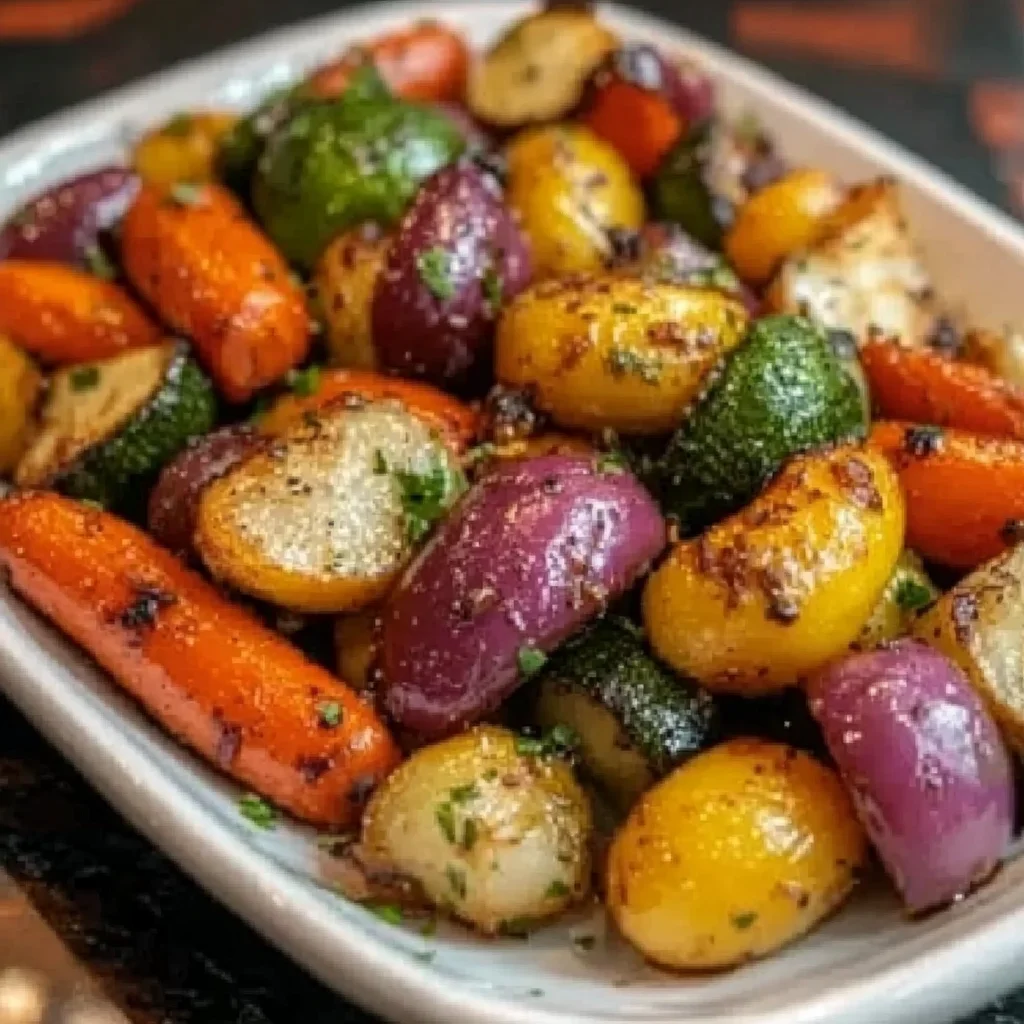
This dish is a notable source of Vitamin C from the bell peppers and Vitamin A from the carrots. This makes for a high-fiber, nutrient-dense side.
Healthier Alternatives
- Swap honey for pure maple syrup - This creates a vegan balsamic glaze while maintaining the necessary sweetness for caramelization.
- Use avocado oil spray - For a higher smoke point and heart-healthy monounsaturated fats, lightly spray vegetables instead of tossing in olive oil.
- Add cauliflower or broccoli - These lower-carb vegetables absorb the balsamic glaze beautifully and roast to a perfect tenderness.
- Incorporate chickpeas - Toss a can of rinsed chickpeas with the veggies to add 15g of plant-based protein per serving.
- Reduce sodium with herbs - Cut salt by half and use dried rosemary or thyme, which complement the balsamic’s acidity.
- Choose a reduced-sodium balsamic.
Serving Suggestions
- Serve these glazed roasted vegetables alongside a simple grilled chicken breast or baked salmon for a complete, balanced meal.
- For a festive touch, garnish the finished dish with a sprinkle of toasted pine nuts or crumbled goat cheese.
- Transform leftovers into a hearty grain bowl by mixing them with quinoa or farro and a lemon-tahini dressing.
- This recipe shines as a colorful, make-ahead side for holiday dinners, particularly Thanksgiving or Christmas.
- Pair with a crisp, dry white wine like Sauvignon Blanc, which cuts through the sweetness of the balsamic glaze.
- For a quick lunch, top a bed of fresh spinach or arugula with the warm vegetables for a wilted salad.
This versatile dish adapts to the seasons; try using sweet potatoes and parsnips in the fall, or asparagus and zucchini in the spring. It also holds up well for meal prep, making weekday lunches effortless.
Common Mistakes to Avoid
- Mistake: Using a cheap, thin balsamic vinegar. Fix: Opt for an aged, syrupy balsamic or reduce a standard one by half on the stovetop to concentrate flavor and prevent a watery glaze.
- Mistake: Skipping the drying step for washed vegetables. Fix: Pat vegetables completely dry to ensure roasting, not steaming, occurs for that essential caramelization.
- Mistake: Overcrowding the baking sheet. Fix: Use two sheets if needed. Crowding traps steam, which prevents the crispy edges that define perfect roasted vegetables.
- Mistake: Neglecting to toss halfway through roasting. Fix: In Step 6, always toss to expose all sides to direct heat, ensuring even browning and glaze coverage.
- Mistake: Adding the glaze at the wrong time. Fix: Always coat before roasting, as instructed in Step 4. Adding it at the end doesn’t allow the sugars to caramelize into the vegetables.
- Mistake: Roasting at too low a temperature. Fix: Maintain a high oven temp of 425°F (220°C). Lower temps cause the vegetables to stew in their own juices.
- Mistake: Storing leftovers while still warm. Fix: Let the dish cool to room temperature before refrigerating to prevent condensation that leads to sogginess.
Storing Tips
- Fridge: Store cooled balsamic glazed vegetables in an airtight container for up to 5 days. In my tests, they retain best texture and flavor for about 4 days.
- Freezer: For longer storage, freeze in a single layer on a tray before transferring to a freezer bag. They’ll keep for 3 months, though the texture of peppers and onions may soften slightly upon thawing.
- Reheat: To restore crispness, reheat in a 375°F (190°C) oven or air fryer for 5-10 minutes. The USDA recommends reheating all leftovers to an internal temperature of 165°F (74°C). Avoid microwaving, which steams them.
This recipe is excellent for meal prep. Roasting, unlike boiling. Always label containers with the date for best food safety practices.
Conclusion
This Balsamic Glazed Roasted Vegetables Recipe is a masterclass in maximizing flavor with minimal effort, delivering a side dish that consistently impresses. Its versatility for weeknights and holidays alike makes it a staple in my kitchen. For another simple, flavor-packed side, try this Roasted Broccolini Recipe. Give this recipe a try and share your results in the comments below!
Frequently Asked Questions
How many servings does this Balsamic Glazed Roasted Vegetables Recipe make?
This recipe yields 4 to 6 servings as a side dish. The exact number depends on the rest of your meal; it serves 4 alongside a simple protein or stretches to 6 as part of a larger holiday spread. For a main course, I recommend doubling the recipe, as the vegetables shrink slightly during roasting.
What can I use if I don’t have Brussels sprouts?
You can substitute broccoli florets, cauliflower, or cubed butternut squash. Unlike Brussels sprouts, which hold their shape well, softer vegetables like zucchini should be added in the last 10 minutes of roasting. My testing shows that broccoli provides the best textural and flavor match for absorbing the sweet balsamic glaze.
Why did my balsamic glaze burn in the oven?
Why did my balsamic glaze burn in the oven?
This typically happens because the honey or sugar content is too high or the oven rack is too close to the heating element. The solution is to ensure your vegetables are in a single layer and to toss them thoroughly at the halfway point, as described in Step 6. For prevention, use a middle oven rack and consider reducing the honey by a teaspoon if your balsamic is already very sweet.
PrintBalsamic Glazed Roasted Vegetables for Irresistible Flavor

Ingredients
- 2 cups of Brussels sprouts, halved
- 2 cups of carrots, sliced
- 2 cups of bell peppers, chopped
- 1 cup of red onion, sliced
- 1/4 cup of balsamic vinegar
- 2 tablespoons of olive oil
- 1 tablespoon of honey or maple syrup
- Salt and pepper to taste
Instructions
- Preheat the oven to 425°F (220°C).
- In a large bowl, combine the Brussels sprouts, carrots, bell peppers, and red onion.
- In a small bowl, whisk together the balsamic vinegar, olive oil, honey (or maple syrup), salt, and pepper.
- Pour the balsamic mixture over the vegetables and toss to coat evenly.
- Spread the vegetables in a single layer on a baking sheet.
- Roast in the preheated oven for 25-30 minutes, stirring halfway through, until the vegetables are tender and caramelized.
- Serve warm and enjoy!
My vegetable side page is a better starting point than the category archive when you are stocking up on ideas.
You Might Also Like
- Cheesy Garlic Butter Corn on the Cob Recipe
- Delicious Homemade Garlic Butter Sweet Potato Bake Recipe
- Grilled Salsa Verde Pepper Jack Chicken Recipe
- Creamy Tomato Garlic Pasta Recipe
Get our 10 best recipes - free
Join the The Cooking Journal newsletter and we’ll email you our 10 most-loved recipes as a free PDF.
Free PDF + new recipes every week. Unsubscribe anytime.