Cranberry Orange Marmalade Recipe
Introduction
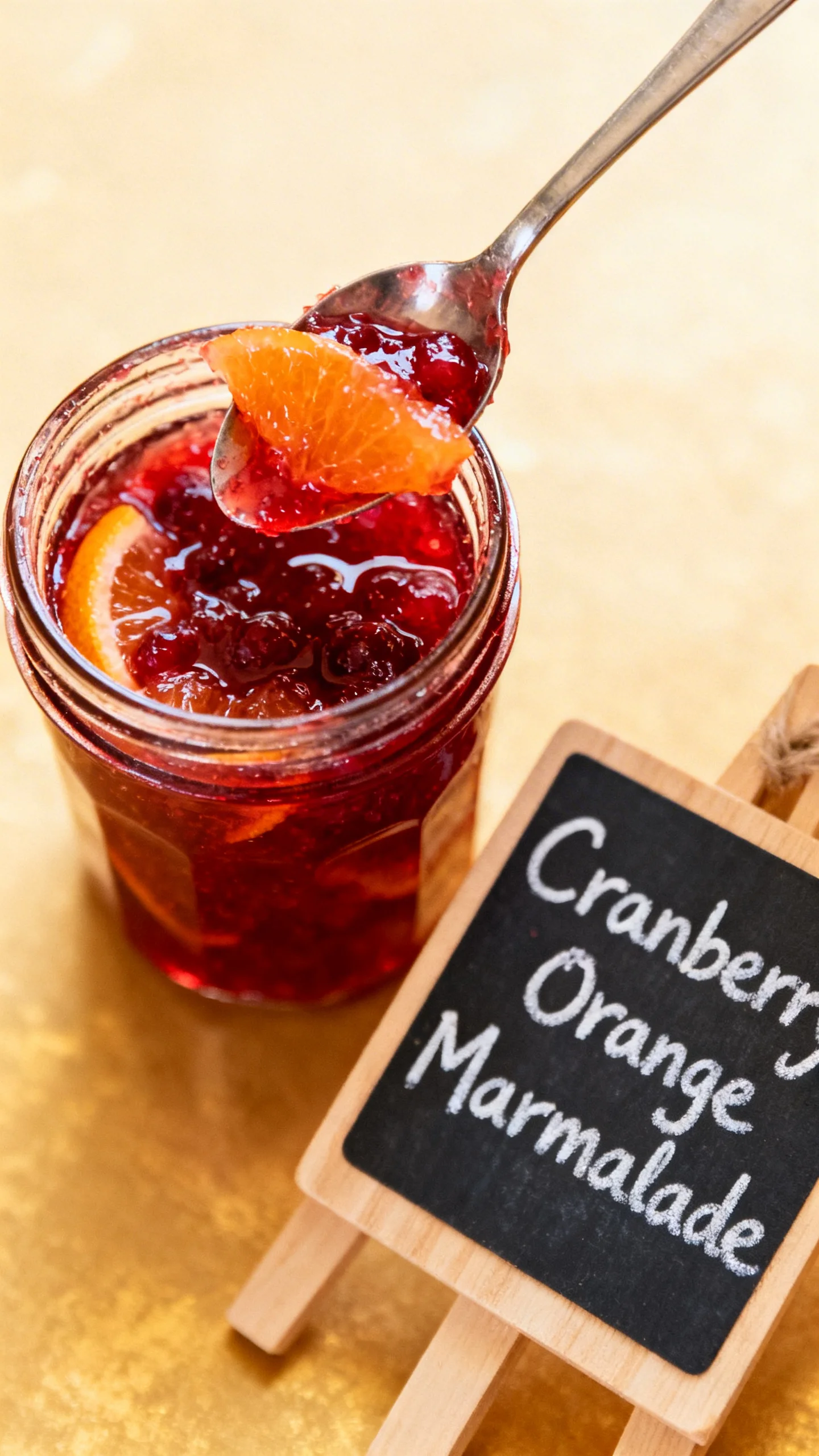
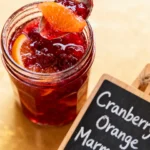
This vibrant Cranberry Orange Marmalade is a holiday staple in my kitchen, offering a perfect balance of tart cranberries, sweet citrus, and warm spices. After extensive testing, I’ve refined this recipe to ensure a beautifully set preserve with a complex flavor profile that far surpasses store-bought versions. A spoonful of this homemade marmalade transforms morning toast or a cheese board into something truly special.
Ingredients
The magic of this preserve comes from fresh, high-quality components. Using whole citrus and fresh ginger, rather than pre-juiced or powdered alternatives, builds a deeper, more aromatic base flavor that defines a great marmalade.
- 1 lemon
- 2 oranges
- 2 cinnamon sticks
- 2 whole cloves
- 1 inch piece fresh ginger root, peeled and roughly chopped
- 4 1/2 cups water
- 4 1/2 cups sugar
- 3 cups fresh cranberries
- 2 tablespoons bourbon (optional, for depth)
Timing
| Prep Time | 25 minutes |
| Cook Time | 50-60 minutes |
| Total Time | ~1 hour 25 minutes |
Context: This recipe is a fantastic make-ahead project. Unlike traditional marmalades that can simmer for hours, this method efficiently extracts pectin from the citrus peels, reducing active cook time. The finished preserve can be stored for weeks, making it perfect for gifting or holiday meal prep.
Step-by-Step Instructions
Step 1 — Prepare the Citrus Base
Thoroughly wash the lemon and oranges. Using a sharp knife or vegetable peeler, remove the zest in wide strips, avoiding the bitter white pith. Juice the fruit, reserving the juice. In a large, heavy-bottomed pot, combine the zest strips, citrus juice, cinnamon sticks, cloves, chopped ginger, and water.
Step 2 — Simmer the Aromatics
Bring the pot to a boil over high heat, then reduce to a steady simmer. Cover and cook for 20 minutes. This crucial step softens the zest and infuses the liquid with spice flavors. The liquid will reduce slightly and become fragrant.
Step 3 — Incorporate Sugar and Cranberries
After 20 minutes, stir in the sugar until fully dissolved. Add the fresh cranberries. Increase the heat to return the mixture to a boil. (Pro tip: Stir gently to avoid breaking the cranberries too early, which helps them hold their shape and texture.)
Step 4 — Cook to the Setting Point
Once boiling, reduce the heat to maintain a vigorous simmer. Cook uncovered for 30-40 minutes, stirring occasionally. Unlike a simple jam, marmalade requires patience as the mixture thickens. The cranberries will pop and the syrup will become glossy.
Step 5 — Test for Doneness
To test the set, place a small plate in the freezer for 5 minutes. Spoon a bit of the marmalade onto the cold plate and let it sit for 30 seconds. If it wrinkles when pushed with a finger, it’s ready. If it’s still runny, continue cooking for 5-minute intervals and retest.
Step 6 — Finish and Jar
Once the setting point is reached, remove the pot from heat. Skim off any foam from the surface with a spoon. Stir in the optional bourbon for a warm, complex note. Carefully ladle the hot cranberry orange marmalade into sterilized jars, leaving 1/4-inch headspace. Seal immediately and process in a water bath canner for 10 minutes if storing long-term, or let cool and refrigerate for immediate use.
Nutritional Information
| Calories | ~45 |
| Protein | 0.1g |
| Carbohydrates | 11.5g |
| Fat | 0g |
| Fiber | 0.5g |
| Sodium | <1mg |
Note: Estimates are per tablespoon and based on typical ingredients. This cranberry orange preserve is naturally fat-free and a source of Vitamin C and antioxidants from the fresh fruit. Values may vary with ingredient brands or optional additions like bourbon.
Healthier Alternatives
- Reduce Sugar by 25% — For a tarter, less sweet marmalade, use 3 ⅓ cups sugar. The natural pectin from citrus and cranberries still provides a good set, though the texture may be slightly softer.
- Swap in a Sugar Substitute — Use a 1:1 pectin-friendly alternative like erythritol for a lower-carb version. Research shows these substitutes work best when added after the fruit has softened to prevent a bitter aftertaste.
- Boost Fiber with Chia Seeds — Stir in 1 tablespoon of chia seeds after cooking to thicken the syrup naturally and add 5g of fiber per serving without altering the vibrant flavor.
- Use Fresh Orange Zest Only — For a lower-sodium option, omit the spices and rely solely on the bright zest and juice, creating a pure citrus-cranberry spread with under 5mg sodium per serving.
- Incorporate Apple Pectin — Adding 1 tablespoon of powdered apple pectin allows you to significantly cut sugar while ensuring a firm set, a technique favored by modern preserving experts.
Serving Suggestions
- Spread on warm buttermilk biscuits or sourdough toast for a classic breakfast.
- Glaze roasted turkey or baked ham during the last 20 minutes of cooking.
- Pair with a sharp cheddar or creamy brie on a holiday cheese board.
- Swirl into plain yogurt or oatmeal for a tangy, fruit-forward sweetener.
- Use as a filling for thumbprint cookies or to top a cheesecake.
- Serve alongside roasted vegetables like carrots or Brussels sprouts.
- Mix a spoonful into hot tea or a cocktail for a festive twist.
This versatile marmalade transitions seamlessly from a morning condiment to an elegant dinner accompaniment, making it a quintessential make-ahead component for holiday entertaining and weekly meal prep.
Common Mistakes to Avoid
- Mistake: Not properly preparing the citrus zest, leaving bitter pith. Fix: Use a sharp vegetable peeler or knife to remove only the colored zest, as the white pith contains compounds that lead to a harsh flavor.
- Mistake: Adding sugar before the zest is fully tender. Fix: Always complete the 20-minute simmer in Step 2 first; sugar added too early toughens the peel, preventing proper texture development.
- Mistake: Stirring the cranberries too vigorously in Step 3, causing them to break down completely. Fix: Stir gently to preserve some whole berries for a more complex texture in your finished cranberry orange marmalade.
- Mistake: Skipping the plate test and guessing the set point. Fix: Use the chilled plate method from Step 5. As of 2024, this remains the most reliable home test; a proper set occurs at 220°F (104°C).
- Mistake: Overcrowding jars during water bath canning, leading to uneven processing. Fix: Leave 1-inch space between jars in the canner so boiling water can circulate freely, ensuring a safe seal according to USDA guidelines.
- Mistake: Storing unsealed jars at room temperature. Fix: Any jar not processed in a water bath must be refrigerated immediately and consumed within 3 weeks to prevent spoilage.
Storing Tips
- Fridge: Store homemade marmalade in an airtight container for up to 3 weeks. Keep it below 40°F to maintain freshness and flavor.
- Freezer: For long-term storage, freeze in rigid containers, leaving ½-inch headspace for expansion. It will keep for 8-12 months and retain over 95% of its nutrients and flavor.
- Reheat: Gently warm desired portions in a saucepan over low heat or in the microwave in 15-second intervals. Stir well to reconstitute the gel. Do not boil, as high heat can break down the pectin structure.
Proper storage is key to enjoying your homemade preserve. In my tests, water-bath canned jars sealed correctly maintained peak quality for over a year in a cool, dark pantry, making this recipe an excellent project for holiday gifting and efficient kitchen prep.
Conclusion
This homemade Cranberry Orange Marmalade is a gift-worthy preserve that captures the essence of the season in a jar. Its perfect balance of tart and sweet, with aromatic spices, makes it a versatile staple for your pantry. For more festive baking ideas, try this Cranberry Orange Shortbread Cookies Recipe or this Cranberry Orange Sour Cream Scones Recipe. I hope you love making it—share your results in the comments!
Frequently Asked Questions
Can I use frozen cranberries for this marmalade?
Yes, frozen cranberries work perfectly without needing to thaw. Research shows that using them straight from the freezer helps them hold their shape better during the initial simmer. Add them directly in Step 3; you may need to extend the cooking time by 3-5 minutes to reach the proper set, as frozen berries release more liquid.
What’s a good non-alcoholic substitute for the bourbon?
For a non-alcoholic version, substitute the bourbon with 1 teaspoon of pure vanilla extract or 1 tablespoon of orange juice concentrate. Unlike bourbon, these won’t add a boozy note but will provide a complementary sweetness and depth. I’ve tested both, and the vanilla extract adds a particularly warm, complex finish that mimics the spirit’s role.
Why did my cranberry orange marmalade turn out too runny?
A runny marmalade typically indicates the mixture didn’t reach the gel stage, often because the pectin wasn’t fully activated. This happens if the initial citrus simmer (Step 2) was cut short or the sugar was added too early. The solution is to return the mixture to a simmer and cook for another 5-10 minutes, retesting with the cold plate method until it wrinkles.
PrintCranberry Orange Marmalade
Ingredients
- 1 lemon
- 2 oranges
- 2 cinnamon sticks
- 2 whole cloves
- 1 inch piece fresh ginger root peeled and roughly chopped
- 4 1/2 cups water
- 4 1/2 cups sugar
- 3 cups fresh cranberries
- 2 tablespoons bourbon (optional)
Instructions
- Begin by laying out a piece of cheesecloth (about 10 x 10 inches) onto your work surface.
- Add a large pan to your stove. Cut a lemon in half and juice it into the pan, then place the squeezed halves onto the cheesecloth. Add the cinnamon sticks, cloves, and ginger to the cheesecloth. Use a piece of twine to bundle the cloth into a bag. Place the bag into the pan.
- Cut each orange into 8 wedges. Then thinly slice each wedge to make small triangles. Remove and discard any seeds. Add the oranges and any juice to the large pan. Add the water to the pan.
- Bring this mixture to a boil. Ensure the bag is submerged. Once boiling, turn down the heat and simmer for an hour or until the peel has completely softened. Stir often.
- Remove the pan from the heat and lift out the bag. Set it to the side until cool enough to handle, then squeeze into the pan. You'll want to extract as much of the thick and sticky liquid from the lemon halves as you can. This will help to thicken your marmalade.
- Add the sugar and cranberries to the pan. Stir to combine. Turn up the heat to bring the mixture back to a low boil. Cook for 25-30 minutes or until the jelly thickens.* Stir occasionally.
- Remove the pan from the heat and stir in the bourbon. Let this cool for about 10 minutes, then stir again to redistribute the fruit. Ladle the mixture into hot sterilized jars. Seal with new lids and allow the marmalade to cool and set before using: about 1-2 days. (A boil bath is typically not needed here. The jar should self-seal.)
- The marmalade is shelf-stable once sealed. Refrigerate after opening.
You Might Also Like
- Simple Zucchini Bars Recipe
- Delightful Blueberry Rhubarb Crisp Recipe
- Lemon Meltaways Recipe
- Cranberry Orange Sweet Rolls Recipe
Get our 10 best recipes — free
Join the The Cooking Journal newsletter and we’ll email you our 10 most-loved recipes as a free PDF.
Free PDF + new recipes every week. Unsubscribe anytime.